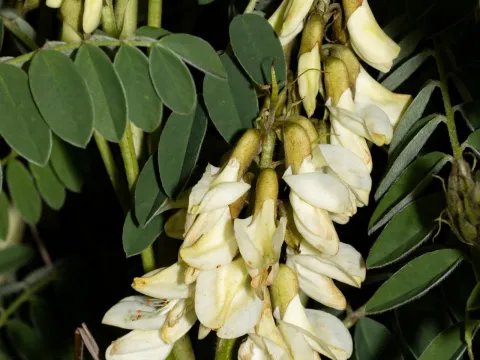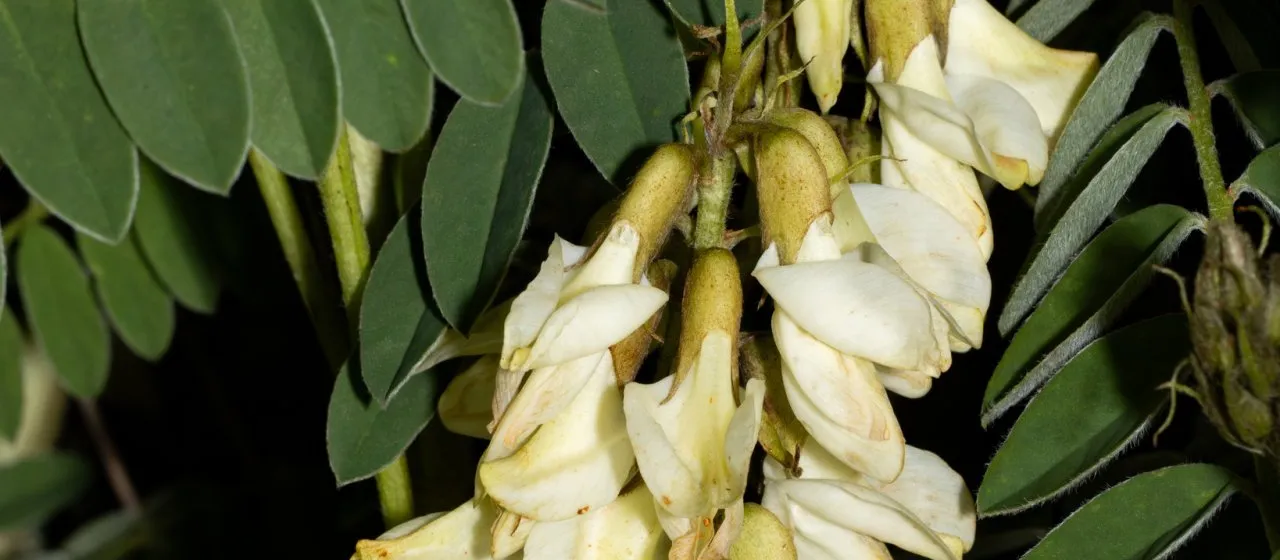
Description
Erophaca baetica is a perennial semi-shrub belonging to the Fabaceae (legume) family. This plant is a notable member of Mediterranean flora, distinguished by its ability to thrive in harsh, nutrient-poor environments where traditional crops might fail. It serves as an essential component of rangelands and has been identified as a candidate for sustainable agriculture in arid zones.
The plant originates from the Mediterranean region, with its natural range spanning from Southern Europe to parts of North Africa. It is perfectly adapted to climates with hot, dry summers and mild winters, exhibiting traits typical of sclerophyllous vegetation. Its distribution is largely defined by its preference for limestone-based or rocky substrates found in coastal and mountainous areas.
Botanically, Erophaca baetica features a woody base, complex pinnate leaves, and characteristic papilionaceous flowers. The root system is deep and expansive, allowing the plant to tap into deep soil moisture reserves. This structural adaptation is crucial for its survival during prolonged dry periods, ensuring a constant supply of nutrients and water for the development of vegetative biomass.
Cultivation requirements for this species prioritize excellent soil drainage, as the plant is highly susceptible to root rot in saturated conditions. It thrives in well-lit, sunny positions and does not demand high levels of soil fertility, as it is capable of fixing atmospheric nitrogen through symbiosis with root-nodule bacteria. Management is generally low-input, focusing on establishing the crop and preventing excessive competition during the initial growth phase.
- Strong resilience to drought and heat stress.
- Nitrogen-fixing capabilities for soil improvement.
- Potential use as a high-quality forage source for livestock.
- Supports local biodiversity, especially pollinator populations.
In agricultural practice, diseases and pests are usually managed through cultural controls. The plant is prone to common legume-related pathogens if moisture levels are not properly regulated. Monitoring for leaf-eating insects and fungal blight is recommended in denser stands to maintain crop health and productivity. Overall, it remains a robust and valuable species for restorative agriculture and arid rangeland management.
Photo gallery