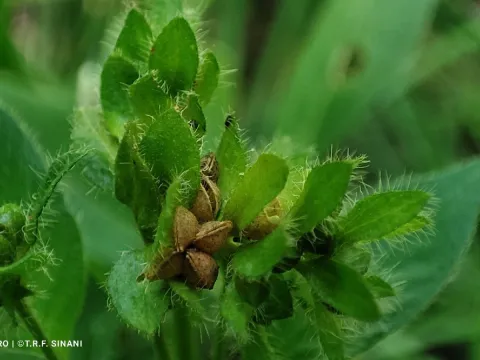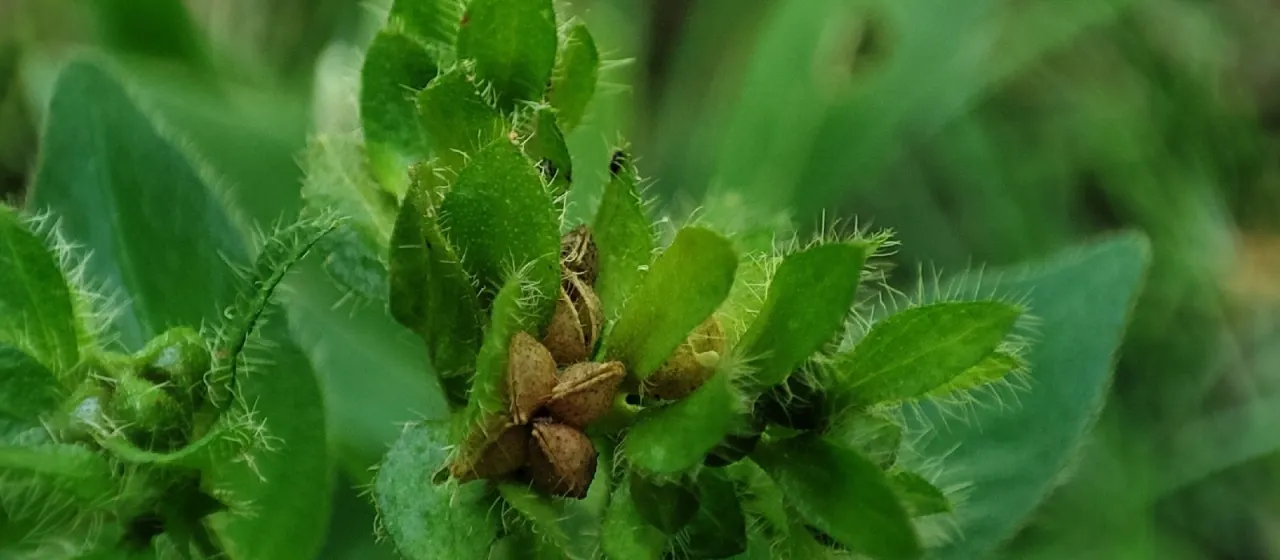
Description
Ertela trifolia is a perennial herbaceous plant belonging to the Rutaceae family. As a distinct member of this diverse family, it exhibits specific growth patterns and chemical compositions that have captured the interest of researchers exploring tropical botanical resources.
The native range of this species covers the tropical regions of the Americas. It is typically found in humid forested environments, thriving in the understory where light filtration is limited. Understanding its natural habitat is crucial for successful cultivation, as the plant is highly sensitive to fluctuations in environmental conditions.
The botanical structure of Ertela trifolia is defined by its trifoliate leaves and a resilient stem system adapted to low-light conditions. The root system requires well-aerated soil to facilitate nutrient uptake. Its growth cycle is relatively slow compared to other tropical crops, requiring a steady, warm climate year-round.
Agricultural requirements for this plant focus on soil management and microclimate control. It prefers a rich, slightly acidic to neutral substrate with excellent drainage. In a controlled cultivation environment, maintaining high relative humidity and shielding the plant from harsh direct sunlight are essential to ensure the vitality of the foliage.
Regarding хозяйственное usage, the species is primarily studied for its secondary metabolites. Plant health management is a key aspect of its agro-technics, as it is susceptible to typical tropical greenhouse pests such as mites and aphids. Preventive measures include regular inspections and maintaining proper ventilation to avoid moisture-related fungal diseases.
Photo gallery