Description
Erucaria microcarpa is an annual herbaceous plant belonging to the Brassicaceae family. As a member of the mustard family, it shares genetic characteristics with various oilseed crops but is distinguished by its specialized evolutionary traits for surviving in harsh, arid environmental conditions.
Native to the arid regions of the Mediterranean and the Middle East, this plant is well-adapted to sandy and saline soils. Its natural range encompasses desert and semi-desert habitats, where it has evolved to complete its life cycle during short windows of moisture availability, making it a subject of interest for sustainable agriculture in water-scarce regions.
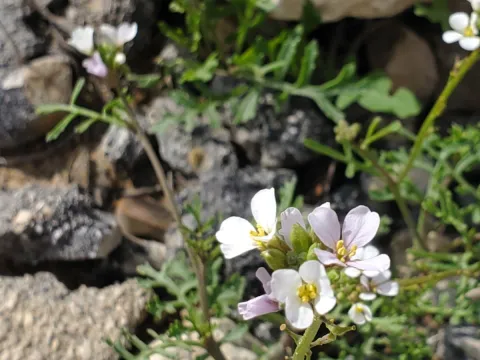
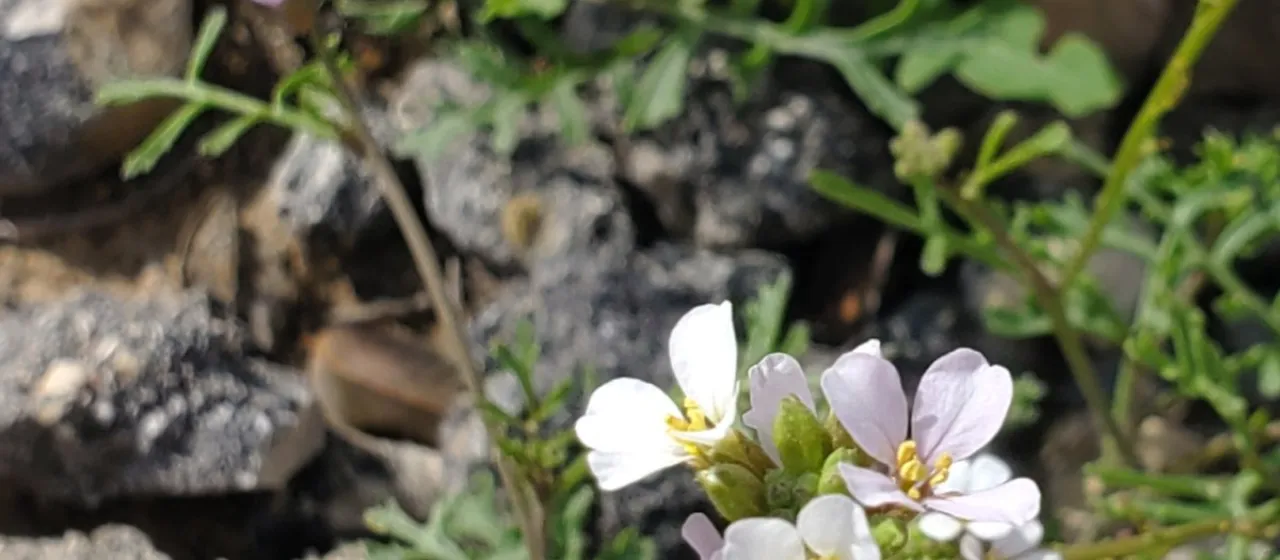
The botanical structure of Erucaria microcarpa includes a branching stem with divided foliage and typical cruciferous flower clusters. One of its most notable morphological features is the fragmentation of the siliques (pods) upon maturity, which acts as a survival mechanism to ensure seed dispersal in unpredictable climatic environments.
From an agrotechnical perspective, this crop requires light, well-draining soil and maximum sunlight exposure. It thrives in regions where irrigation is limited. Farmers focusing on this species must ensure early sowing to leverage winter precipitation, as the plant is highly sensitive to waterlogging, which can cause significant root rot issues.
The industrial and agricultural utility of the plant is diverse, ranging from the extraction of specific fatty acids to its potential use as a drought-resistant forage crop or a green manure for soil improvement. Typical challenges include infestations by flea beetles and susceptibility to downy mildew, which necessitate careful monitoring and integrated pest management strategies to protect the stand.
Photo gallery