Description
Erucastrum arabicum is a herbaceous plant species belonging to the Brassicaceae family. It is increasingly recognized in agricultural research for its utility as a cover crop, a soil improver, and a potential component in sustainable forage systems due to its biomass production capabilities.
Originating from the arid and semi-arid regions of North Africa and the Middle East, this plant has adapted to survive in challenging environments. Its natural distribution demonstrates a high resilience to heat stress and fluctuations in water availability, making it an interesting candidate for cultivation in drought-prone areas.
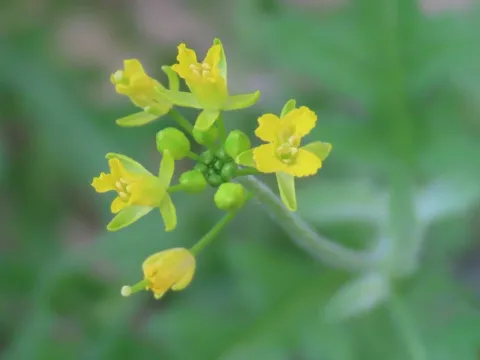
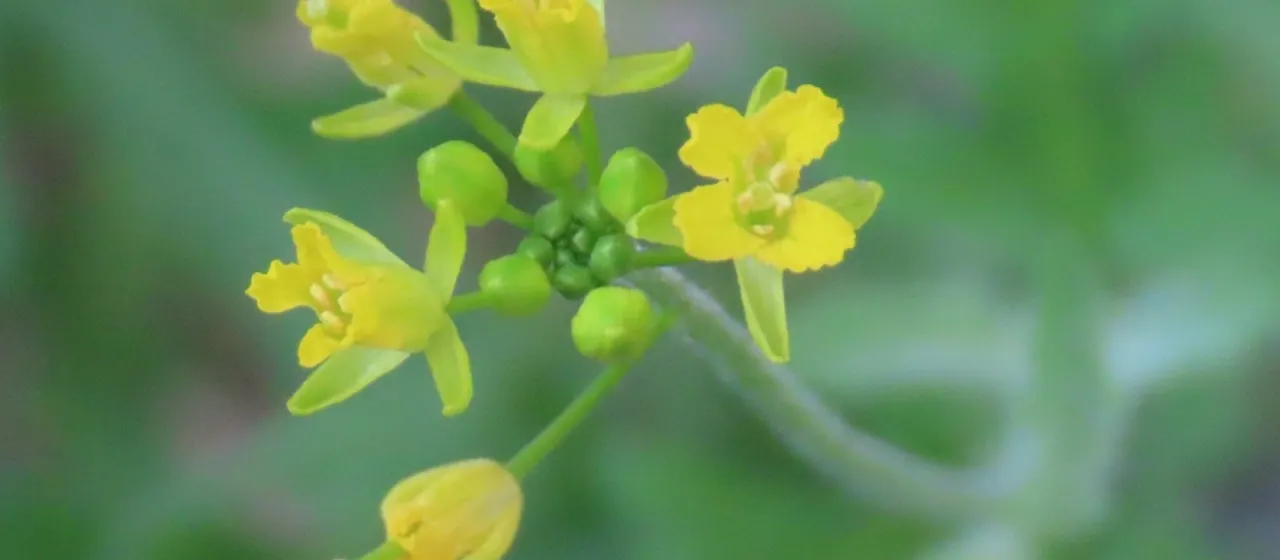
The botanical characteristics of Erucastrum arabicum include a robust taproot system that facilitates moisture uptake from deeper soil layers. The leaves are typically lyrate-pinnatifid, and the plant produces distinct yellow flowers arranged in racemes. These features contribute to its efficient photosynthetic activity and overall structural hardiness.
Cultivation requirements involve light to medium-textured soils with good drainage, as the plant is susceptible to waterlogging. It performs optimally under full sun conditions and requires minimal supplemental irrigation once established. Proper seedbed preparation and early weed control are essential steps to ensure the crop attains adequate canopy cover quickly.
Regarding health management, the crop is prone to pests and diseases common to the Brassicaceae family, such as flea beetles and various fungal pathogens. Integrated Pest Management (IPM) practices, including proper crop rotation and the use of resistant varieties where available, are recommended to maintain high yield levels and prevent long-term soil pathogen accumulation.
- High drought tolerance.
- Significant biomass accumulation.
- Valuable for erosion control.
- Potential for biofumigation applications.
Photo gallery