Agave-leaf eryngo
Eryngium agavifolium
Description
Agave-leaf eryngo (Eryngium agavifolium) is a distinctive perennial plant belonging to the Apiaceae family. True to its name, this species features rigid, sword-like foliage arranged in a basal rosette that strongly resembles an agave, making it a highly architectural plant suitable for modern and xeriscape garden designs.
Originating from South America, specifically Argentina, this plant has adapted to open, sunny habitats. Its geographical spread in cultivation spans various temperate regions where it is grown for its structural beauty. It serves as an excellent focal point in gardens that require plants with strong, vertical lines and an exotic aesthetic appeal without the need for high-maintenance care.
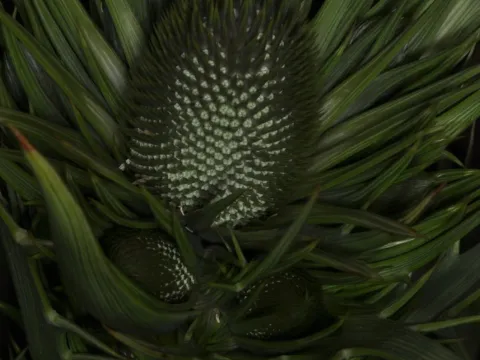
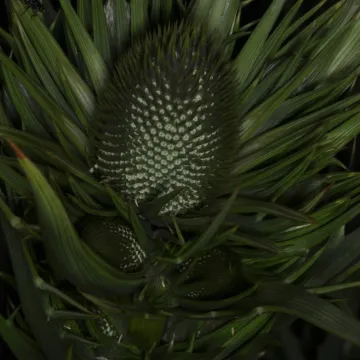
The botanical structure consists of tough, spiny-margined leaves that provide year-round texture. In the summer, the plant produces tall, sturdy stems topped with dense, cone-like flower heads. These green-white inflorescences are not only beautiful but also serve as a magnet for bees, butterflies, and other essential garden pollinators, contributing to biodiversity in the landscape.
Cultivation requirements focus heavily on soil drainage. Like many species native to open plains, Eryngium agavifolium thrives in well-draining, sandy, or rocky soil. It is highly drought-tolerant once established and performs best in full sun. Excessive soil moisture during the colder months is the most common cause of failure, so providing a sloped site or a dedicated drainage layer is essential for longevity.
Maintenance is minimal, consisting mainly of spring cleanup to remove old leaves and spent flower spikes. While the plant is generally hardy and resistant to most garden pests, it may occasionally suffer from root rot if drainage is insufficient or aphids in very humid conditions. Applying a layer of mulch in winter can help protect the root zone from severe frosts in regions with harsher climates.
- Ensure full sun exposure for optimal leaf growth.
- Improve heavy soils with grit or coarse sand.
- Avoid over-fertilization to maintain a compact habit.
- Space plants adequately to ensure good airflow.
Photo gallery