Description
Amethyst sea holly (Eryngium amethystinum) is a perennial herbaceous plant belonging to the Apiaceae family. In agriculture and horticulture, it is highly valued for its exceptional drought tolerance, unique morphological structure, and aesthetic appeal, making it a staple in specialized ornamental production and sustainable farming practices.
Originating from the Mediterranean and Southeastern Europe, this plant naturally inhabits rocky slopes and dry grasslands. Its cultivation range has expanded globally across temperate regions, where farmers and landscape professionals utilize its hardiness to maintain high-quality decorative borders and supply the global florist market with long-lasting botanical material.
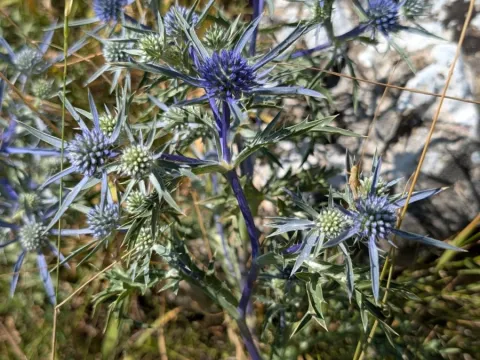
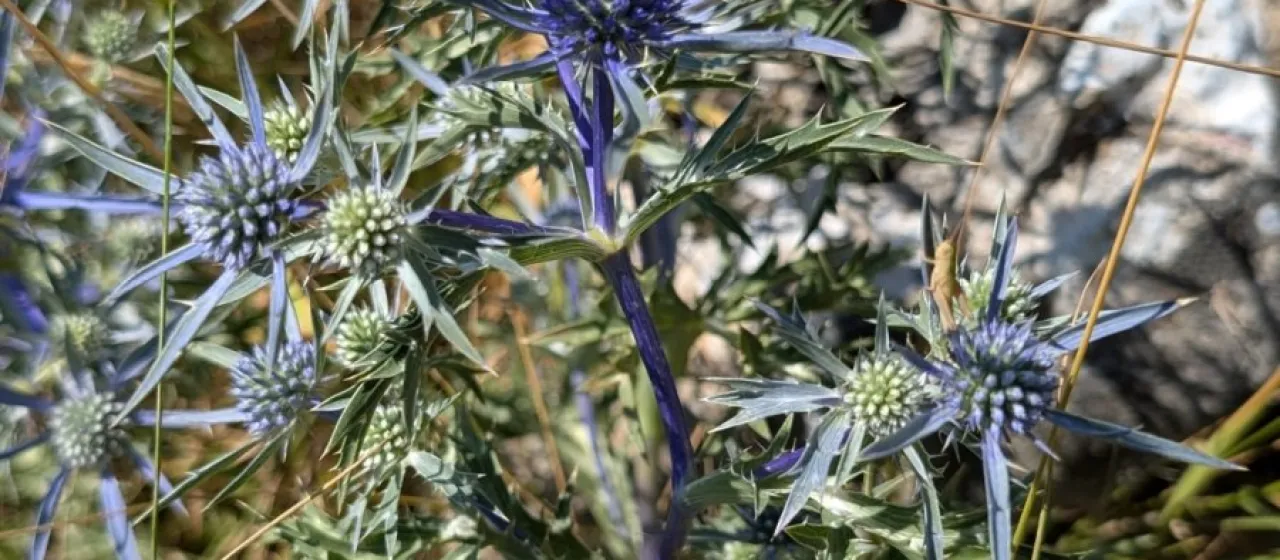
Botanically, the plant features a rigid, branching stem, typically growing between 50 and 70 centimeters in height. The foliage is characterized by stiff, deeply lobed, and prickly leaves. The most distinct feature is the metallic amethyst-blue color of the bracts and stems during the peak flowering stage, a trait that persists even after the plant is harvested and dried.
Success in cultivating this species depends on mimicking its natural arid environment. It thrives in full sunlight and requires well-draining, nutrient-poor soil with a neutral or slightly alkaline pH. Excessive irrigation or fertilization is counterproductive, as the plant is susceptible to root rot and loss of color intensity when exposed to overly rich or waterlogged substrates.
The commercial utility of Eryngium amethystinum is diverse and well-established in current markets:
- Production of premium dried flower arrangements and professional floral designs.
- Landscape industry application for low-maintenance, xeriscaping-focused garden projects.
- Medicinal harvest, where specific plant extracts are processed for their pharmacological properties in traditional and modern remedies.
Regarding health management, the plant is generally robust but can face challenges from common pests such as aphids or spider mites, especially in hot, arid growing conditions. Fungal issues, such as powdery mildew, may occur if air circulation is inadequate or if the crop is grown in regions with high humidity. Monitoring and integrated pest management remain the cornerstones of successful production.
Photo gallery