Description
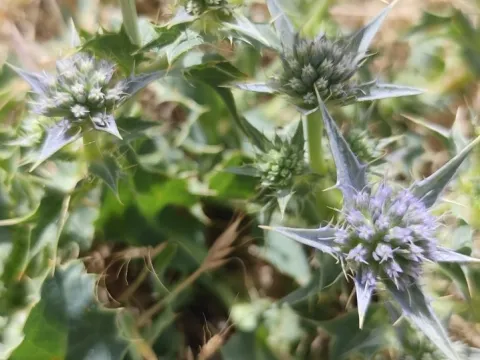
Holly-leaved sea holly (Eryngium aquifolium) is a robust herbaceous perennial belonging to the Apiaceae family. It is distinguished by its unique foliage, which features prickly margins reminiscent of the holly plant, providing both aesthetic appeal and a defense mechanism against herbivores. As a member of the Apiaceae family, it shares structural similarities with other umbelliferous plants but is adapted to much harsher environmental conditions.
Native to the Mediterranean basin, the species is naturally distributed across stony slopes and arid regions. Its evolutionary history has endowed it with remarkable resilience, allowing it to thrive in nutrient-poor, rocky substrates where other crops would fail. This adaptability makes it an excellent candidate for low-maintenance agricultural and landscaping projects in temperate and Mediterranean climates.
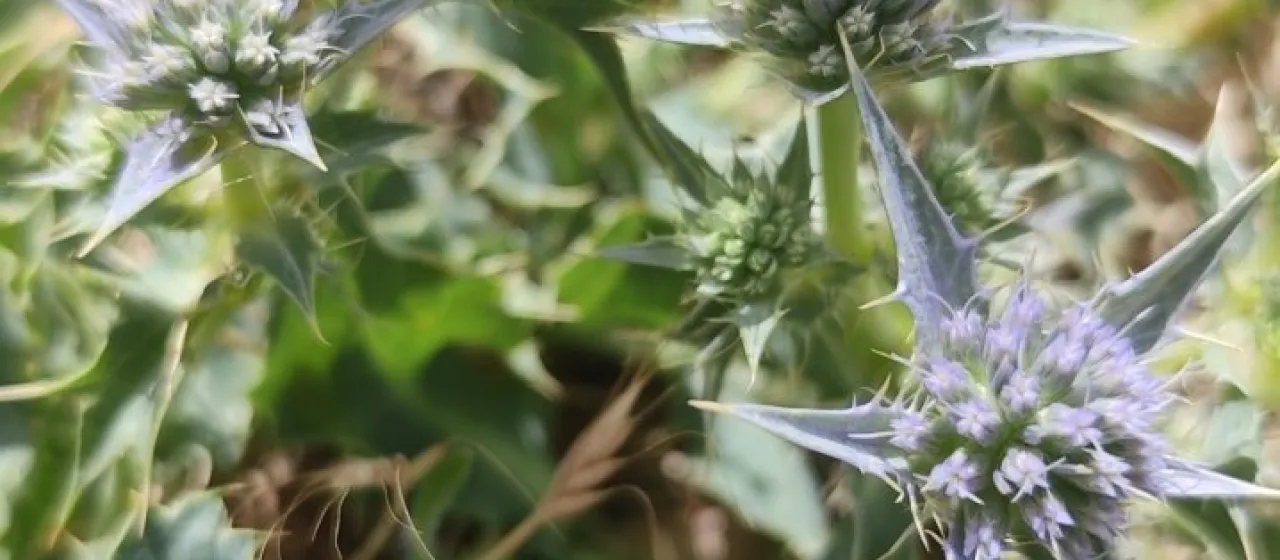
The botanical structure of the plant consists of a basal rosette of tough leaves and a branched stem terminating in dense, cone-like flower heads. These inflorescences are surrounded by metallic-blue or silver-tinted spiny bracts that attract a wide variety of pollinators. The deep taproot system is essential for its survival, allowing the plant to tap into groundwater during peak summer temperatures.
Cultivation requirements for Eryngium aquifolium are relatively straightforward. The species demands full sun exposure and well-draining soil, preferably with a slightly alkaline pH. It is highly sensitive to root competition from weeds and requires a clean environment during the establishment phase. Once settled, it requires almost no supplemental irrigation, making it a sustainable choice for water-conscious gardeners and farmers.
The хозяйственное utility of the plant spans several sectors:
- Landscape design: Used in xeriscaping and rock gardens for its architectural form.
- Floral industry: Highly valued as a decorative dried flower.
- Pollinator conservation: Serves as a vital nectar source for native bees and butterflies.
- Ethnobotany: Historically explored for medicinal properties contained within its phytochemical profile.
The plant is remarkably resistant to most common agricultural pests and diseases. The most significant risks are associated with improper soil drainage, which can lead to fungal pathogens such as Pythium or Phytophthora. To maintain crop health, it is essential to avoid over-fertilization and ensure that the soil remains porous, which prevents the build-up of moisture around the root collar.
Photo gallery