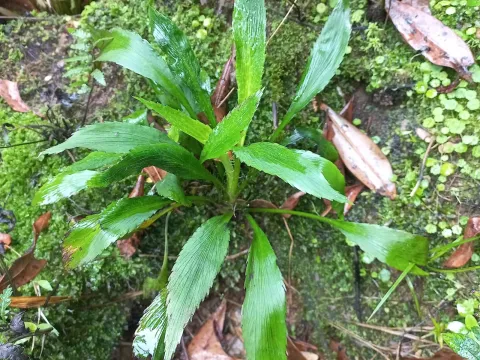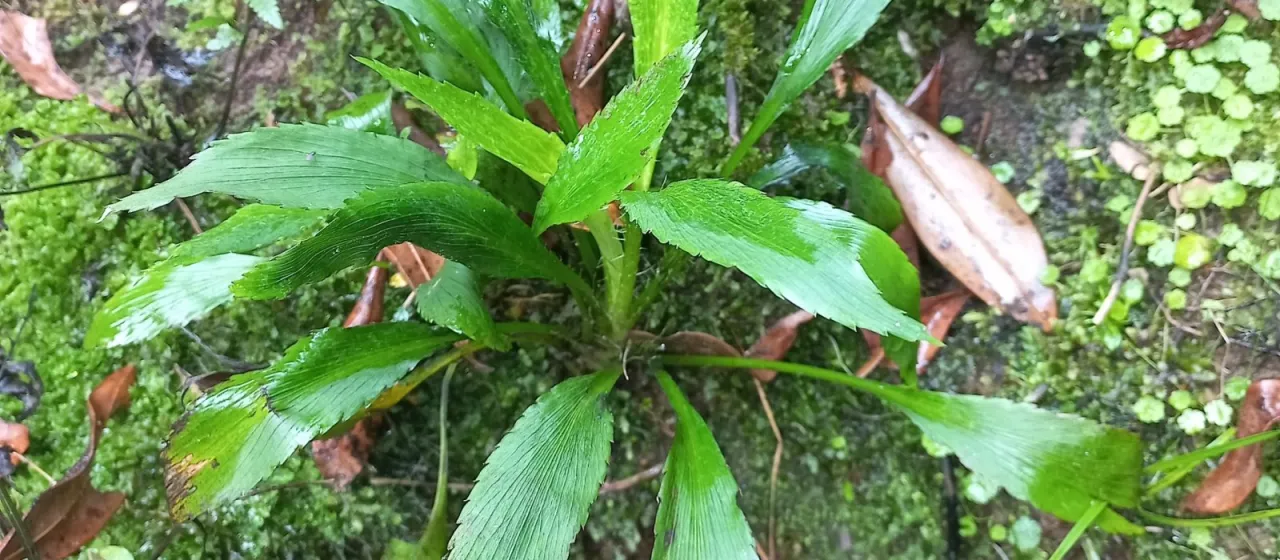
Description
Eryngium dusenii is a unique species of perennial herbaceous plant belonging to the Apiaceae family. This plant is distinguished by its unusual morphology, typical of the Eryngium genus, making it a subject of interest for both flora collectors and professionals in landscape design and botany.
Geographically, this species originates from South America, primarily found in the regions of Southern Brazil and surrounding areas. It has adapted to the specific climatic conditions of subtropical zones, characterized by moderately warm temperatures and periods of significant humidity, which defines its ecological niche in natural ecosystems.
Botanically, Eryngium dusenii is characterized by rigid, often spiny leaves and distinctive capitate inflorescences surrounded by bracts. Its root system is robust, allowing the plant to effectively utilize soil moisture and survive under competition from other herbaceous species. Flowering is followed by the formation of seeds, which facilitates the natural regeneration of the population.
When cultivated, the plant has specific requirements regarding soil composition: it prefers well-drained, sandy loam or loamy substrates with a neutral to slightly acidic pH. Sufficient access to sunlight is essential for successful development, as shading negatively impacts the plant's aesthetic value and overall viability. Good agricultural practice also includes moderate watering to avoid waterlogging in the root zone.
The economic use of Eryngium dusenii is primarily limited to ornamental gardening and floral arrangements. Due to the high durability of its dried inflorescences, the plant is frequently used as a dried flower. Unlike commodity agricultural crops, this species requires careful handling and is best suited for specialized gardens or greenhouse environments.
- Requirement for bright, direct sunlight.
- High sensitivity to excessive soil moisture.
- Need for winter protection in regions with harsh climates.
- Resistance to common pests of the Apiaceae family when proper crop rotation is followed.
Photo gallery