Description
Eryngium echinatum is a distinct perennial herbaceous plant belonging to the Apiaceae family. Known for its rugged appearance and architectural structure, it serves as both an aesthetic element in professional landscaping and a functional species in specialized plant collections.
Originating from South America, particularly Brazil, this species is well-adapted to open, arid environments. Its natural habitat includes grasslands and rocky slopes where it thrives under intense sunlight, demonstrating high tolerance to environmental stress and minimal nutrient availability.
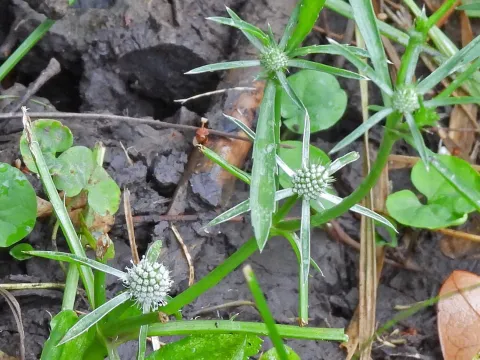
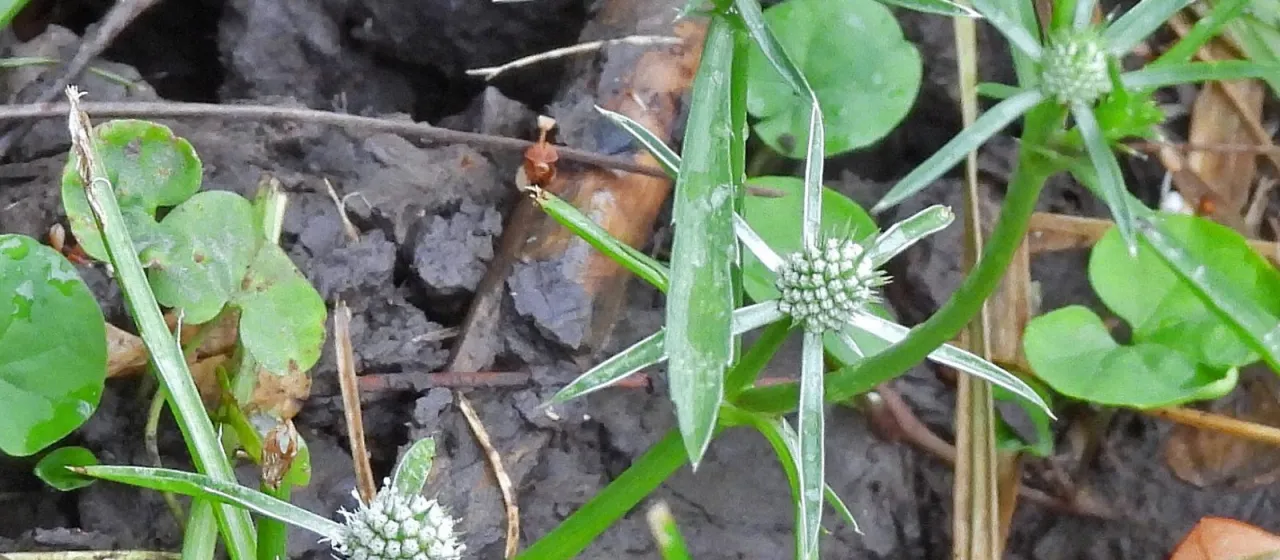
Botanically, the plant is recognized by its rigid, deeply divided leaves with serrated, spiny margins. The inflorescence consists of dense, head-like clusters surrounded by prominent, often bluish or metallic-colored bracts. The root system is deep and tap-rooted, which allows the plant to access moisture from deeper soil layers during droughts.
Successful cultivation requires specific attention to soil drainage. The plant performs best in sandy, gravelly, or well-drained loam soils with a neutral pH. It is highly drought-tolerant once established and requires full sun exposure to maintain its characteristic color and compact growth habit. Over-fertilization should be avoided to prevent leggy growth.
The main commercial and hobbyist uses include:
- Utilizing the dried inflorescences in professional floral arrangements.
- Implementing the plant in xeric garden designs and rockeries.
- Promoting biodiversity by attracting pollinators.
Common issues involve root rot caused by poor soil drainage or excessive humidity during the winter months. Pests such as aphids or spider mites may occasionally affect the foliage, but these can be managed through cultural practices such as ensuring proper air circulation and avoiding overhead irrigation.
Photo gallery