Description
Eryngium floribundum is a distinctive perennial herbaceous plant belonging to the Apiaceae family. Recognized for its unique structural appearance and high-density inflorescences, this species is gaining attention as both an ornamental crop and a subject of phytochemical research due to its resilient nature and specialized physiological characteristics.
The plant originates from South America, specifically inhabiting regions across Brazil and Argentina. Its native ecosystem consists of open, sunny environments with well-drained soil, which dictates the fundamental requirements for its successful adaptation and cultivation in other geographical regions with similar climatic conditions.
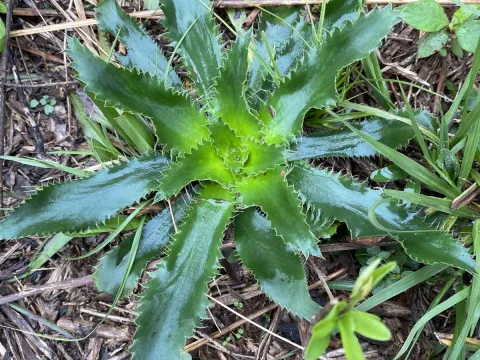
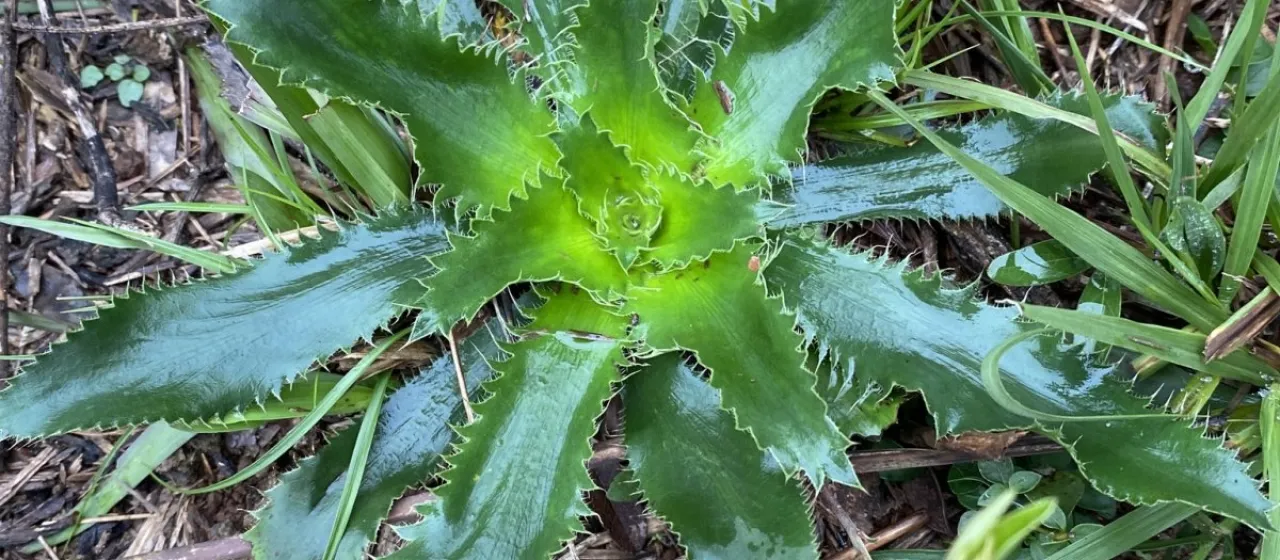
Botanically, it features a sturdy taproot and leathery, often spiny-edged leaves. The plant develops characteristic capitate inflorescences surrounded by rigid bracts that display a striking steel-blue hue. These reproductive structures are highly stable, maintaining their aesthetic appeal even after the plant has reached physiological maturity.
Agrotechnical management requires selecting sites with full sun exposure and sandy or loamy soils with excellent drainage. The species is highly drought-tolerant, meaning irrigation should be minimal, primarily focused on the establishment phase. Excessive fertilization should be avoided to prevent weak stem growth; organic mulch may be used to suppress weeds in the early stages.
Industrial and practical uses include:
- Ornamental horticulture: popular in xeriscaping and drought-resistant landscapes.
- Floral industry: highly sought after as a premium element for dried flower arrangements.
- Pharmaceutical industry: investigation of bioactive compounds for potential therapeutic applications.
Key phytosanitary risks include root rot, which typically occurs in poorly drained soils, and powdery mildew caused by high humidity. Management strategies emphasize preventing standing water around the crown of the plant and utilizing integrated pest management (IPM) to control occasional outbreaks of aphids or leaf-feeding insects.
Photo gallery