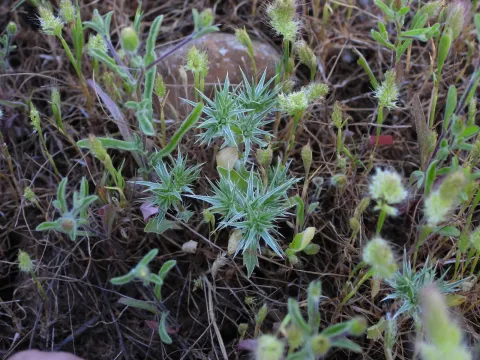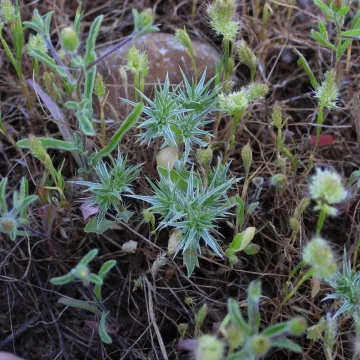
Eryngium galioides
Eryngium galioides
Description
Eryngium galioides is a perennial herbaceous plant belonging to the Apiaceae family. Known for its distinct morphological features, this species is highly regarded in horticultural circles for its architectural presence and resilience to harsh environmental conditions, making it an excellent candidate for low-maintenance garden landscapes.
The plant originates from the Mediterranean basin, with its natural range centered in the western parts of the Iberian Peninsula. It is highly adapted to coastal habitats, thriving in sandy soils and areas characterized by intense sunlight, salt spray, and periodic drought, which has shaped its physiological resilience over centuries.
Botanically, Eryngium galioides is distinguished by its rigid, prickly foliage and compact, globular flower heads supported by spiny bracts. The root system is robust and deep-reaching, designed to anchor the plant in loose, shifting soils and to access groundwater reserves during the peak summer heat when moisture levels are minimal.
Cultivation requirements for this species focus primarily on providing well-drained, sandy, or rocky soil with a neutral to slightly alkaline pH. Full sun is essential for the plant to maintain its structural integrity and characteristic color. In terms of agronomy, minimal water input is required once established, as over-irrigation can lead to root system decay and the loss of the plant's natural vigor.
- Excellent tolerance to saline and sandy soil conditions.
- Natural resistance to common herbaceous pests.
- High aesthetic value in xeriscaping and dry gardens.
- Low fertilization requirements due to natural adaptation to nutrient-poor soils.
The primary use of this crop is ornamental, specifically for rock gardens, gravel beds, and sustainable landscaping projects that prioritize water conservation. Regarding phytosanitary issues, the plant is remarkably hardy; however, the most typical threats include fungal issues caused by stagnant water or excessively humid environments, which necessitates careful monitoring of soil moisture levels.
Photo gallery