Description
Eryngium humile is a distinct perennial herbaceous plant belonging to the Apiaceae family. Unlike many of its taller relatives known as sea hollies, this specific species is recognized for its compact, dwarf growth habit, making it an excellent candidate for specialized rock garden cultivation.
The plant originates from the high-altitude regions of the Andes, spanning across Peru, Ecuador, and Bolivia. Its native environment consists of sub-alpine meadows and rocky outcrops, which has provided the species with a natural resilience against fluctuating temperatures and poor, mineral-rich mountain soils.
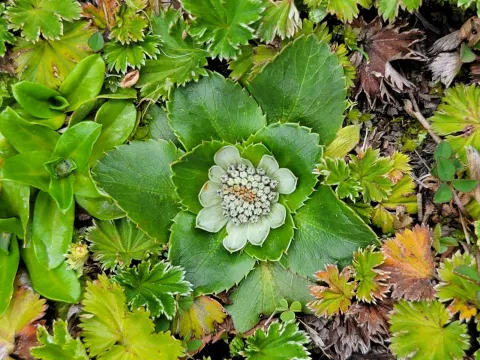
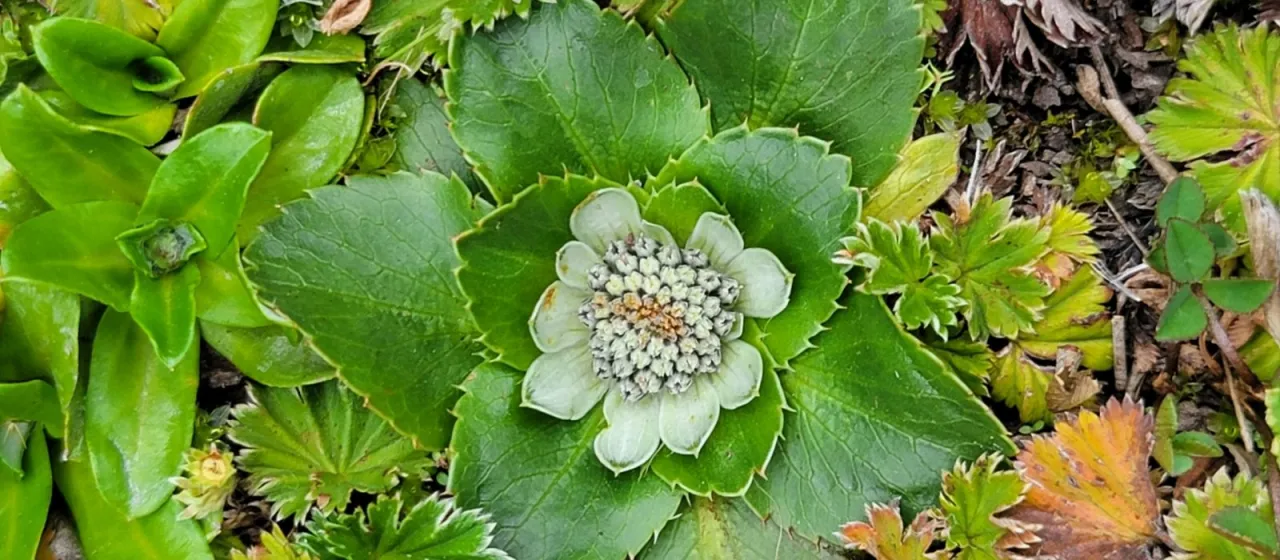
Botanically, the plant features a basal rosette of coriaceous, serrated leaves that form a low-growing structure. During the flowering phase, it produces short stems topped with characteristic capitate inflorescences surrounded by spiny, metallic-blue or green bracts that provide visual interest throughout the season.
Regarding cultivation, Eryngium humile demands excellent drainage. In an agricultural or horticultural setting, the soil profile must be sandy or stony to prevent moisture accumulation around the crown, which can lead to rapid fungal decay. Full sun exposure is essential to maintain the structural integrity and coloration of the bracts.
In terms of commercial usage, this species is primarily valued in ornamental landscape architecture for xeriscaping and alpine gardening. While generally robust, growers should monitor for common pests such as aphids and spider mites, and implement preventative measures against root rot by strictly controlling irrigation levels during the dormant phase.
Photo gallery