Description
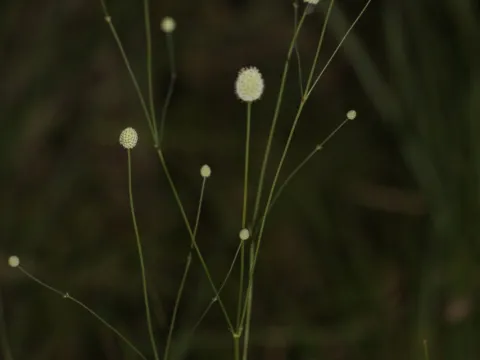
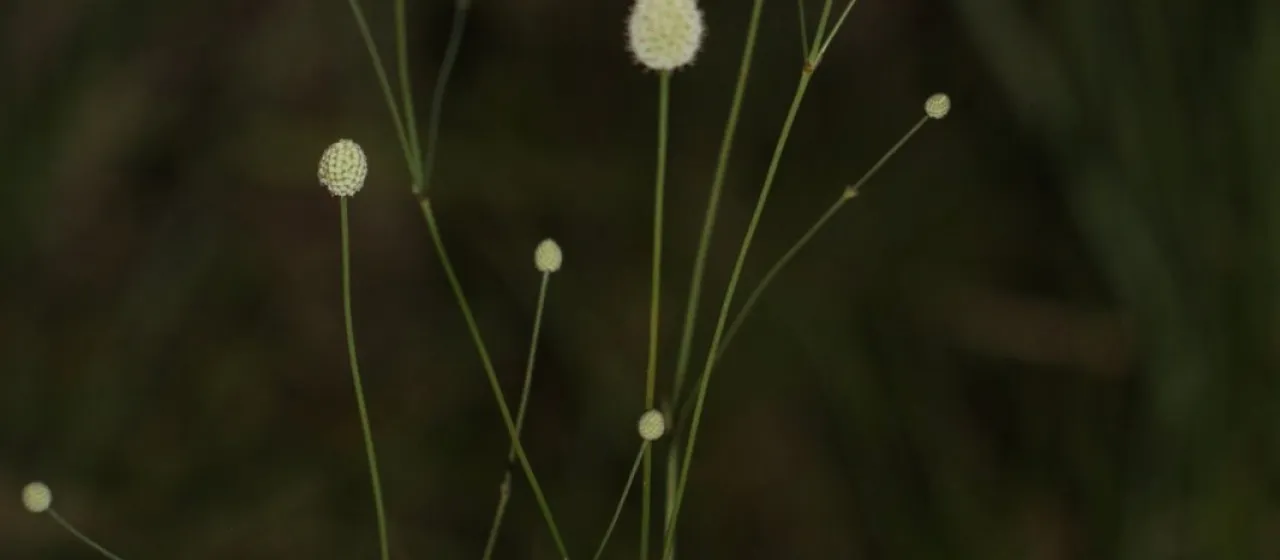
Eryngium luzulifolium is a perennial herb belonging to the Apiaceae family. Unlike many other species within the genus Eryngium that are known for their prickly foliage, this specific plant is characterized by its slender, grass-like leaves, which resemble the foliage of the Luzula genus, hence its specific epithet. It is an interesting botanical choice for specialized ornamental plantings.
Originating from South America, specifically Brazil, this plant thrives in environments that mimic its native habitats. It is primarily grown in botanical gardens and by enthusiasts interested in exotic plant collections. The species has adapted well to controlled garden environments where it adds structural interest to flower beds and rock gardens.
Botanically, it forms a low-growing basal rosette of narrow, smooth, gray-green leaves. In the summer, it produces vertical flowering stalks topped with globular flower heads, which are typical for the genus but distinctly refined. Its growth habit is compact, making it highly suitable for foreground plantings where finer textures are required.
In terms of agricultural requirements, the plant demands well-draining, moderately fertile soil with a slightly alkaline to neutral pH. It is a sun-loving species that requires full exposure to thrive and develop its characteristic leaf color. Irrigation should be managed carefully to ensure the soil remains moist but never waterlogged, as poor drainage is the primary cause of plant failure.
The primary use of Eryngium luzulifolium is decorative, serving as an accent plant in xeriscaping or modern prairie-style gardens. Common issues include root rot caused by stagnant water and occasional infestations by aphids or spider mites. Maintaining good sanitation and ensuring adequate air circulation around the plants are essential strategies to prevent fungal pathogens and pest outbreaks.
Photo gallery