Description
Eryngium megapotamicum is a perennial herbaceous plant belonging to the Apiaceae family. Known for its distinct architectural form and structural beauty, this species is highly regarded in horticultural circles for its unique appearance and resilience in garden settings.
The species originates from South America, with its primary habitat found in regions of Uruguay, Brazil, and Argentina. It has adapted to the climatic conditions of these subtropical zones, which has enabled it to thrive in various landscapes where environmental stressors such as direct sunlight and periodic drought occur.
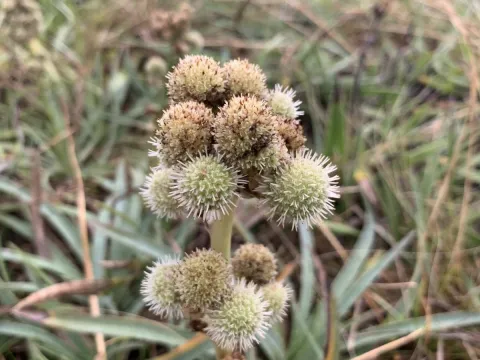
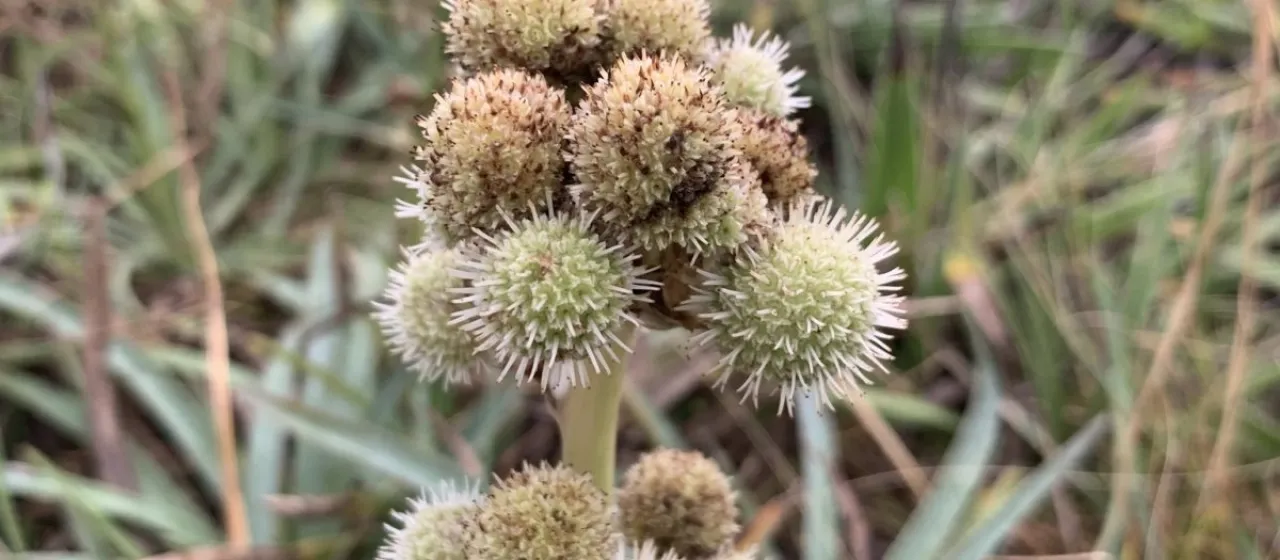
Botanically, the plant displays rigid, prickly foliage arranged in basal rosettes, from which tall, robust flowering stems emerge. The inflorescences are typical for the genus, featuring tight, cone-like heads surrounded by spiny bracts. This structure provides a striking visual element that remains persistent throughout the growing season.
Regarding cultivation requirements, Eryngium megapotamicum thrives in full sun and well-drained soils. It exhibits a high tolerance for nutrient-poor substrates, making it an excellent candidate for xeriscaping or rock gardens. It is imperative to avoid waterlogged soil conditions, especially during the dormant season, to prevent physiological stress and root rot.
In terms of usage, the plant is widely utilized for its aesthetic value in landscape design, providing structure to borders and prairie-style gardens. It is also a valuable crop for the florist industry, as the dried inflorescences are durable and highly decorative. Common phytosanitary issues include aphids during the spring flush and potential fungal pathogens triggered by high soil humidity.
Photo gallery