Naked-stemmed eryngo
Eryngium nudicaule
Description
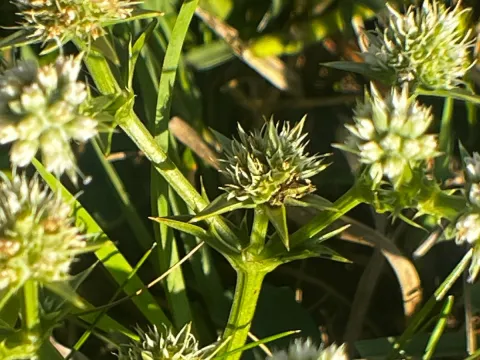
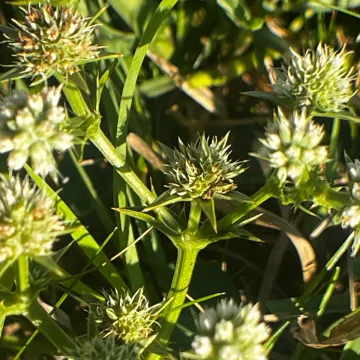
Naked-stemmed eryngo (Eryngium nudicaule) is a perennial herbaceous plant belonging to the Apiaceae family. Unlike many of its more aggressive and spiny relatives, this species is noted for its refined appearance and lack of sharp bracts, making it a desirable candidate for sophisticated garden landscapes and floral arrangements.
Originating from the landscapes of South America, specifically Argentina and Brazil, this plant has adapted to open grasslands and sunny environments. Its evolutionary history in these regions has equipped the species with the ability to withstand intense sunlight and seasonal changes in precipitation, making it a robust choice for temperate climate cultivation.
Botanically, the plant is characterized by a basal rosette of tough, leathery leaves and tall, sparsely leafed stems. The flower heads are compact and exhibit a distinctive blue-steel coloration that develops as the blooms mature. The deep taproot system serves as an essential feature for survival, providing structural stability and access to water reserves in the soil profile.
Agricultural success with Eryngium nudicaule depends largely on soil conditions. It requires well-drained, sandy or loamy soils with a neutral pH. The site must receive ample sunlight throughout the day to ensure vigorous stem development and deep flower coloration. Proper spacing is necessary to facilitate airflow, which significantly reduces the risk of fungal infections or root rot.
In terms of usage, the plant is widely utilized for its ornamental value in parks and private gardens. Beyond aesthetic use, it is highly valued in the dried flower industry due to the durability and color retention of its flower heads. It is generally resistant to most common garden pests, although maintenance should include regular monitoring for aphids or soil-borne pathogens during periods of high humidity.
- Requires full sun exposure for optimal growth.
- Prefers well-draining soil to prevent root damage.
- Low requirement for heavy nitrogen fertilization.
- Exceptional longevity in dried floral arrangements.
Photo gallery