Description
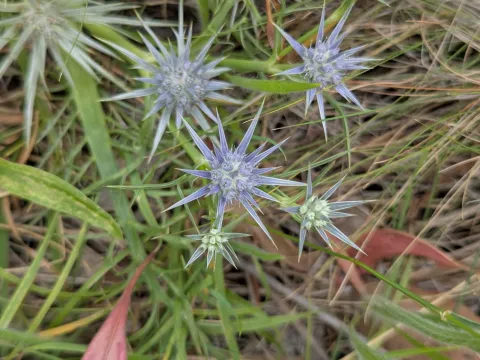
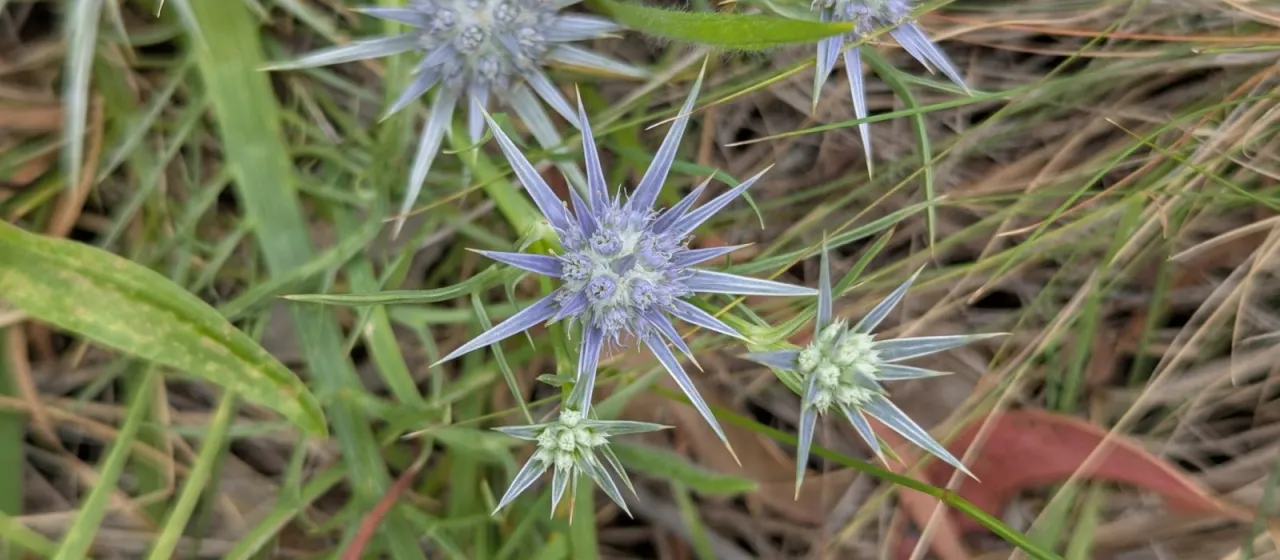
Blue devil (Eryngium ovinum) is a perennial herbaceous plant belonging to the Apiaceae family. Recognized for its unique appearance and high resilience, this species has gained attention in agricultural research as a specialized crop capable of thriving in arid environments where conventional plants struggle to survive.
Native to Australia, this plant is naturally distributed across vast grasslands and open woodland areas. It has evolved in regions characterized by erratic rainfall and nutrient-poor soils. This geographic origin explains its robustness and ability to extract moisture and minerals through an extensive, deep-reaching root system.
Botanically, the plant is identified by its rigid, spiny leaves and spherical flower heads protected by sharp bracts. These structural adaptations are essential for water retention and protection against herbivory. The plant produces a sturdy, erect stem often covered in a glaucous bloom, which helps reflect intense sunlight and reduces transpiration rates.
Agricultural requirements for Eryngium ovinum include well-drained, sandy, or loamy soil with neutral to slightly alkaline pH levels. The plant requires full sun exposure and is highly susceptible to root diseases if kept in waterlogged conditions. Proper spacing during planting is crucial to ensure airflow and mitigate the risk of fungal outbreaks in dense stands.
Economically, the crop is valued for its potential in the pharmaceutical industry and as an ornamental species. Its chemical profile includes unique terpenes and polyphenols with documented bioactive potential. Furthermore, its role as a hardy nectar-rich plant makes it highly significant for supporting local pollinator populations in drought-prone agricultural landscapes.
- Exceptional drought tolerance.
- Minimal fertilizer requirements.
- High potential for dryland farming.
- Valuable forage for pollinators.
Common pests include aphids and mites that target the soft tissue of developing flower stalks. Regarding pathology, the primary concern is root rot, which typically stems from over-irrigation or improper soil drainage. Integrated pest management, focusing on biological controls and strict irrigation schedules, is the recommended strategy for successful cultivation.
Photo gallery