Description
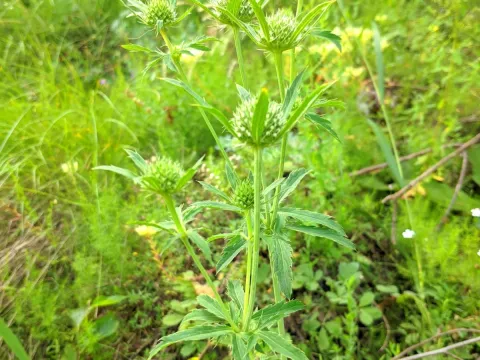
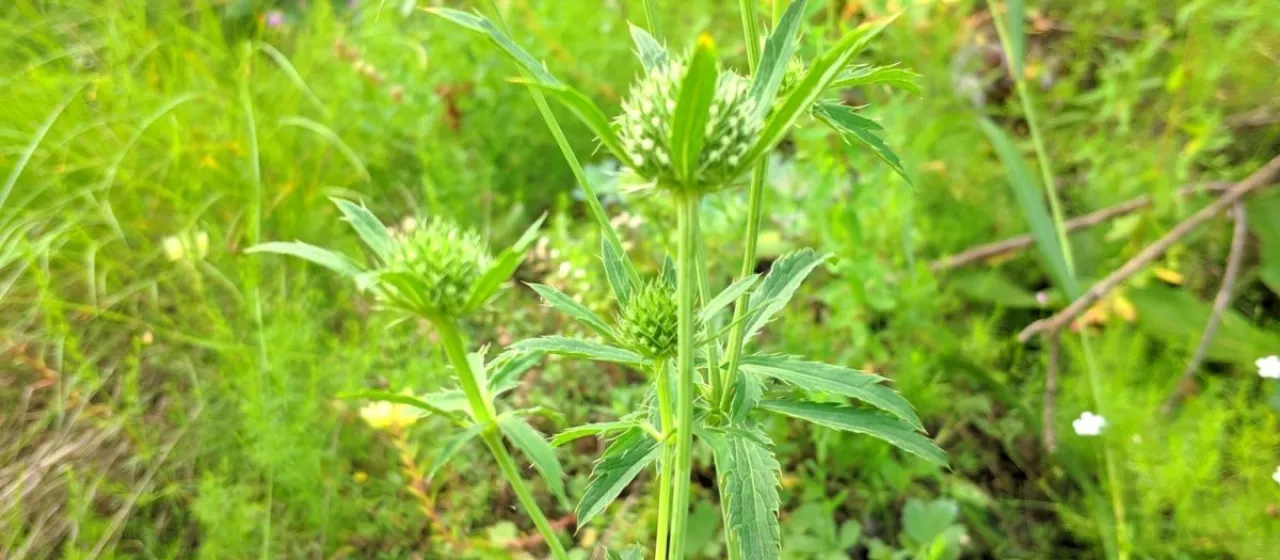
Palm-leaf eryngo (lat. Eryngium palmatum) is a herbaceous perennial plant belonging to the Apiaceae family. This species is widely recognized for its striking structural aesthetic, characterized by palmate, spiny leaves and intense blue, cone-like inflorescences. It serves as a significant botanical subject for both horticultural development and specialized agricultural production.
The plant originates from the dry, rocky terrains of Southeastern Europe. Its natural range encompasses regions where survival requires adaptation to poor soil quality and intense solar radiation. In agricultural settings, it is cultivated primarily in temperate zones that provide the necessary dry summers and well-drained substrate conditions essential for its maturation.
Botanically, the palm-leaf eryngo features a sturdy taproot system, which is a critical adaptation for sourcing deep-soil moisture. The stems are rigid and branching, typically reaching heights of up to 80 centimeters. The leaves are distinctively lobed, providing a defensive barrier against browsing herbivores, while the floral structures provide a nectar source that remains attractive even during the peak of dry seasons.
Agricultural requirements focus on providing high exposure to sunlight and superior soil drainage. The plant thrives in alkaline or neutral soils and struggles in heavy, clay-based media that retain water, as these lead to root rot. Successful crop management involves minimal intervention; irrigation should be strictly limited after the plant establishes its root system to promote hardiness and long-term viability.
The species finds various applications in modern agriculture and commerce:
- Apiculture: It is an excellent nectar source for bees.
- Floriculture: Used extensively in the dried flower market due to its structural durability.
- Sustainable Landscaping: Favored for xeriscaping projects requiring low-maintenance vegetation.
- Medicinal potential: Ongoing research explores the extraction of essential oils and secondary metabolites.
Pest and disease management is generally straightforward as the plant is naturally resistant to many common pathogens. However, moisture-related issues such as powdery mildew or gray mold (Botrytis) may arise in humid, poorly ventilated environments. Aphids are the most common pests, yet they rarely cause significant economic damage provided the plant is kept in optimal, arid-mimicking conditions.
Photo gallery