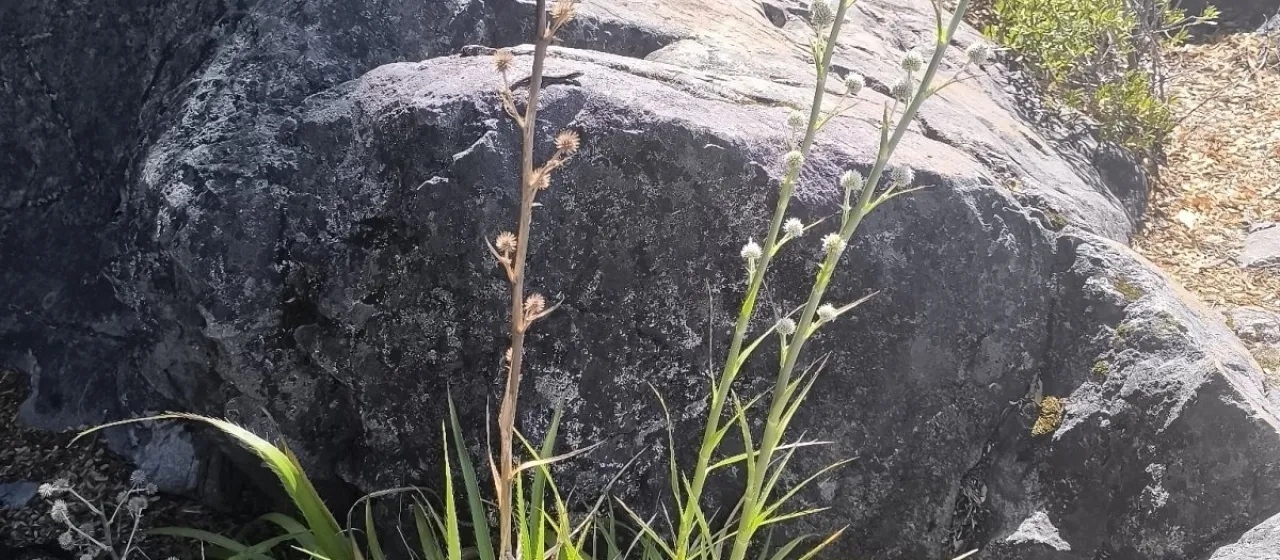
Description
Eryngium paniculatum is a perennial herbaceous plant belonging to the Apiaceae (parsley) family. It is recognized for its architectural form, characterized by a robust basal rosette of leaves and striking inflorescences that make it a distinctive element in any landscape or agricultural plot.
The species is native to South America, specifically regions in Chile and Argentina. It naturally inhabits open meadows and mountainous slopes, which explains its evolution to thrive in nutrient-poor soils and tolerate harsh climatic conditions. Its natural resilience has made it a candidate for introduction in various temperate regions worldwide.
Botanically, this plant displays rigid, often serrated leaves and tall flower stalks that produce dense clusters of small florets arranged in a panicle. The structural integrity of the plant allows it to remain aesthetically pleasing throughout the late summer and autumn seasons, often persisting as a dried arrangement even after the growing period concludes.
In terms of agricultural and horticultural requirements, it prefers sunny locations with well-drained, slightly alkaline to neutral soil. The species is highly drought-tolerant once established, requiring little maintenance beyond initial weeding and occasional irrigation during prolonged heatwaves. It does not require intensive fertilization, as excessive nutrients can negatively impact its natural growth habit.
- Primary uses: Ornamental landscaping, floral design.
- Maintenance: Low-input plant, minimal pruning.
- Soil preference: Well-drained, sandy loam.
- Climatic range: Moderate to temperate zones.
Common issues include fungal diseases such as root rot, which typically occur when the soil lacks proper drainage. Pests such as aphids may occasionally target the flower stalks. Effective management focuses on cultural practices—providing adequate spacing to ensure good air circulation and monitoring moisture levels to keep the plants healthy and vigorous.
Photo gallery