Eryngium sanguisorba
Eryngium sanguisorba
Description
Eryngium sanguisorba is a perennial herb belonging to the Apiaceae (parsley) family. Recognized for its structural beauty and ecological resilience, this plant is increasingly studied for both its ornamental value and its potential for specialized agricultural applications in dryland farming.
The species originates from regions with temperate climates, where it has evolved to thrive in rocky, nutrient-poor, and well-drained soils. Its natural distribution range emphasizes its adaptability to harsh environments, making it a sustainable choice for low-input agricultural systems in arid regions.
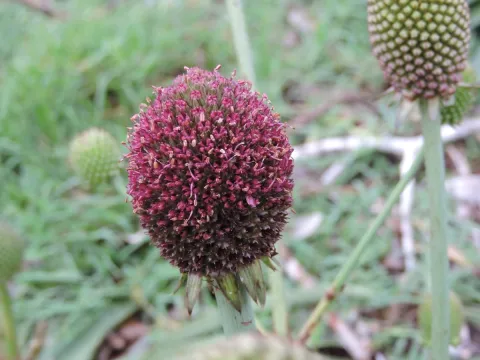
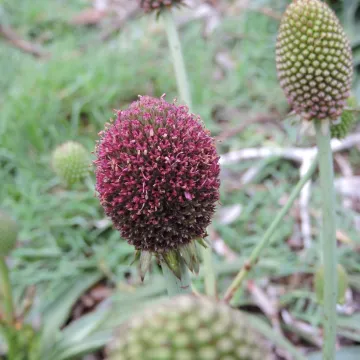
Botanically, the plant is characterized by its stiff, deeply lobed, often spiny foliage and its distinct, capitate inflorescences surrounded by sharp bracts. The root system is deep and tuberous, allowing the plant to store energy and survive periods of prolonged drought during the growing season.
For successful cultivation, producers must ensure full sun exposure and prioritize soil drainage. This species performs poorly in waterlogged soils, which can lead to root rot. Optimal agrotechnical practices include minimal fertilization, as the plant is adapted to soils with low organic matter content, and standard weeding to prevent competition during the establishment phase.
The primary uses for this culture include landscape architecture, the production of dried floral materials, and medicinal potential. Common challenges for growers include:
- Powdery mildew outbreaks in high-humidity periods.
- Root aphids during the early developmental stages.
- Over-compaction of soil affecting long-term plant health.
Photo gallery