Description
The Altai wallflower (Erysimum altaicum) is a perennial herbaceous plant belonging to the Brassicaceae family. This species is widely recognized for its high content of cardiac glycosides, which makes it a valuable biological resource in the pharmaceutical sector. It is natively adapted to harsh mountainous environments, displaying remarkable resilience to cold and poor soil quality.
The natural range of the species covers the Altai and Sayan mountains, where it typically inhabits rocky slopes, screes, and alpine meadows. For agricultural purposes, successful cultivation requires mimicking these specific environmental conditions, particularly emphasizing the need for well-draining, mineral-rich soils that prevent root saturation during the dormant season.
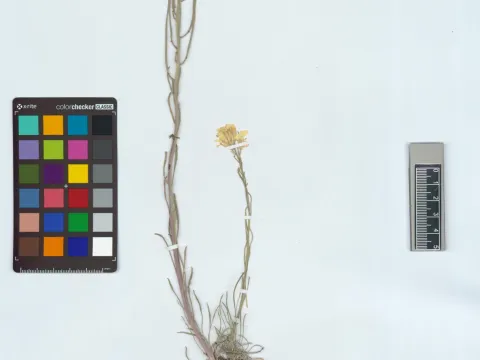
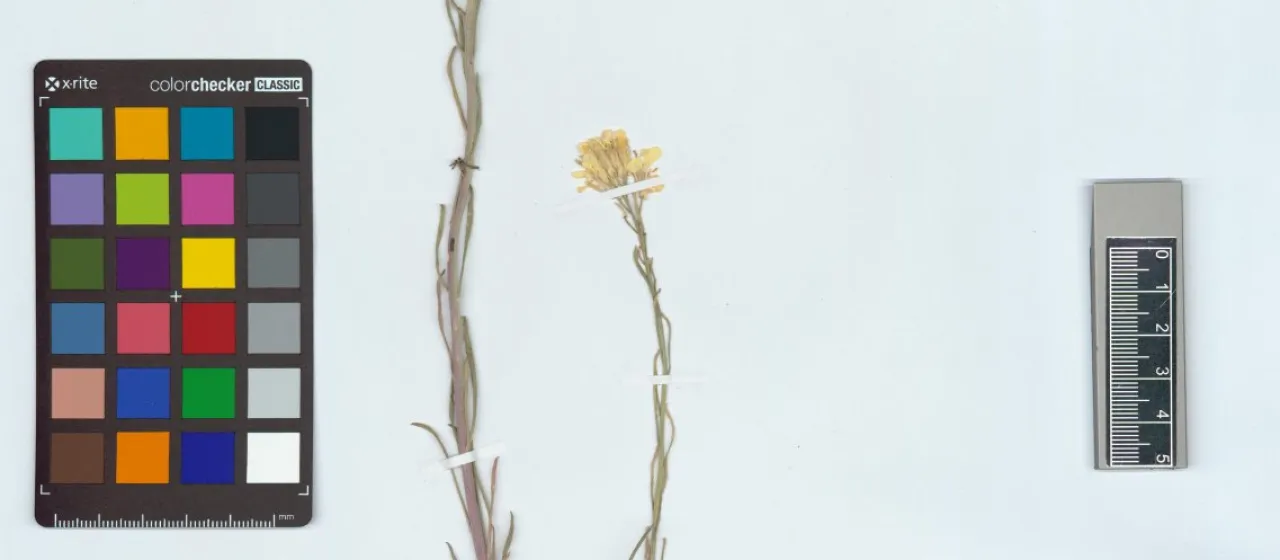
Botanically, the plant features erect, pubescent stems reaching heights of 20 to 50 centimeters, adorned with narrow, lanceolate leaves. It produces striking yellow four-petaled flowers arranged in racemes during the summer months. Its root system is deep and taproot-like, which is an evolutionary adaptation for anchoring the plant in unstable mountain scree and accessing deep groundwater.
The agronomy of Erysimum altaicum focuses on soil texture and drainage. It performs best in loose, gritty, or sandy soils with a neutral pH. The crop is highly photophilic, requiring full exposure to sunlight for optimal development of its active chemical components. Farmers should be cautious of excessive irrigation, as the plant is highly susceptible to root rot in damp, heavy, or poorly aerated soil conditions.
- Soil type: well-drained, sandy or stony soil.
- Sun exposure: requires full sun.
- Watering: moderate, avoid over-watering.
- Common pests: cruciferous flea beetles.
- Harvesting: main biomass collected during full bloom.
The main commercial application of the Altai wallflower is in the production of specialized cardiac medications. Because of its complex chemical composition, it serves as an essential raw material for pharmaceutical laboratories. Integrating this crop into field production requires strict adherence to harvesting cycles to ensure the maximum concentration of active glycosides in the dried plant material.
Photo gallery