Beautiful-fruited wallflower
Erysimum callicarpum
Description
The beautiful-fruited wallflower (Erysimum callicarpum) is a herbaceous plant belonging to the Brassicaceae family. Recognized in modern agronomy for its potential in the pharmaceutical industry, this crop is increasingly studied for its high concentration of glycosides, which serve as key active ingredients in various medicinal preparations.
Originally native to the mountainous and steppe regions of Central Asia, the plant exhibits remarkable environmental adaptability. It has been successfully introduced into various agricultural landscapes characterized by temperate climates. The plant is noted for its winter hardiness and its ability to withstand fluctuating temperatures, making it a reliable crop for producers in diverse regions.
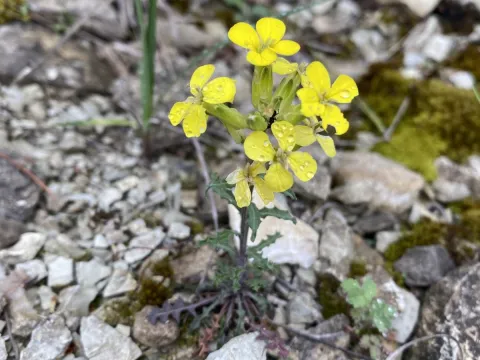
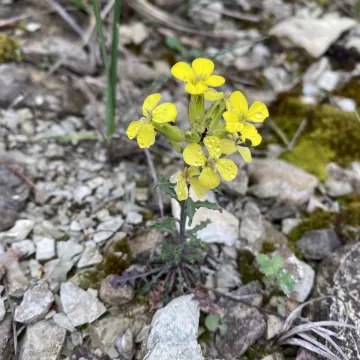
Botanically, Erysimum callicarpum is characterized by its upright stems, lanceolate foliage, and clusters of vibrant yellow flowers that bloom during the active growing season. The fruit is an elongated pod containing numerous seeds. Its deep taproot system provides the plant with exceptional drought tolerance, allowing it to thrive even in less fertile, arid soils.
Successful cultivation requires attention to soil quality and field preparation. The crop thrives in well-drained, sandy-loam soils with a neutral or slightly alkaline pH level. Agronomic management involves optimizing seeding rates, ensuring adequate weed control during the emergence phase, and maintaining optimal field spacing to promote air circulation and reduce the risk of disease.
The primary agricultural and economic use of the beautiful-fruited wallflower lies in the production of herbal raw materials. These materials are processed to extract natural compounds used primarily in cardiovascular medication. Furthermore, research is ongoing into the extraction of secondary metabolites for nutritional and industrial applications.
Like many members of the Brassicaceae family, this crop is susceptible to specific pests, including flea beetles and aphids, which require proactive monitoring. Disease management focuses primarily on preventing root and stem rots through proper moisture control. Implementing sustainable rotation practices is crucial for maintaining soil health and preventing the buildup of soil-borne pathogens.
Photo gallery