Description
Erysimum canum, commonly known as grey wallflower, is a herbaceous perennial plant belonging to the Brassicaceae family. In agriculture and botany, this species is noted for its adaptability to harsh environments and its potential as a source of bioactive compounds used in pharmacology and industrial oil production.
The plant originates from the Eurasian steppe zones, showing a wide distribution across Eastern Europe. It is naturally adapted to regions characterized by low humidity, stony soils, and significant temperature fluctuations. Its natural resilience allows it to thrive in landscapes where more demanding agricultural crops would fail to survive.
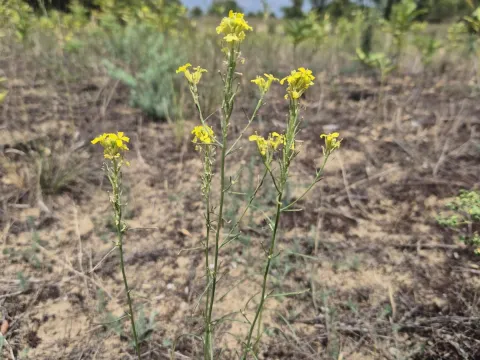
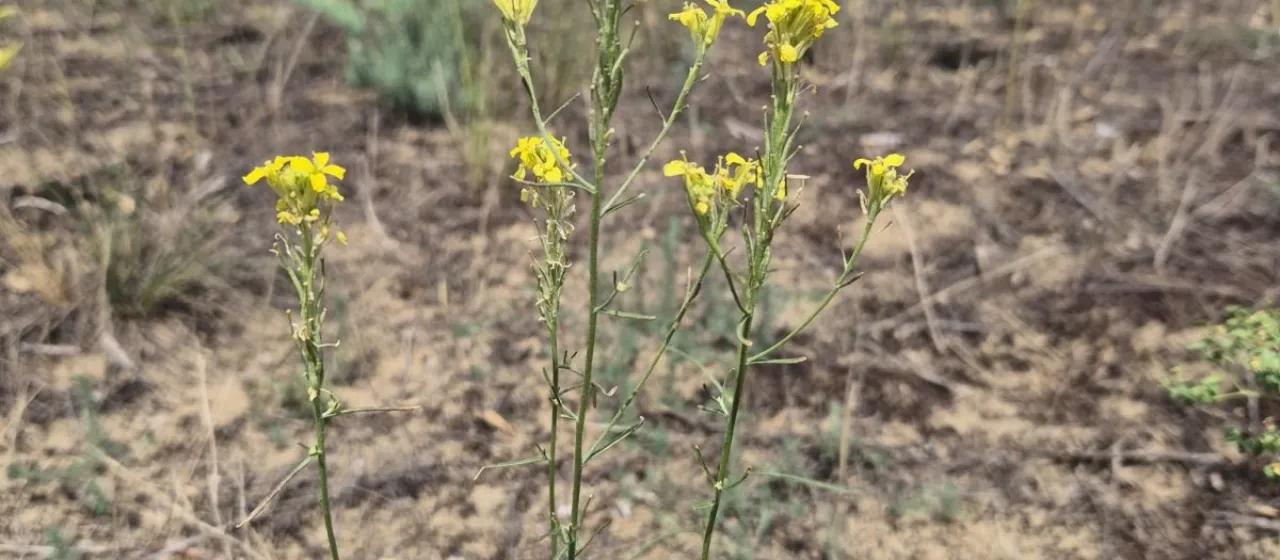
Botanically, Erysimum canum features a deep taproot and erect stems covered with fine, greyish hairs, which protect it from moisture loss. The leaves are narrow, and the plant produces vibrant yellow, cross-shaped flowers that attract various pollinators. The fruit is a silique (pod) containing numerous small, oil-rich seeds that represent the primary economic harvest of the plant.
Cultivation of this species requires well-drained, sandy or loamy soils with neutral to alkaline pH levels. It is highly drought-tolerant, making it an excellent candidate for low-input agricultural systems. Agronomists emphasize that the plant requires minimal fertilization but necessitates proper weed management during the establishment phase to ensure healthy growth and development.
Industrially, the plant is valued for its seeds, which contain specific alkaloids and cardiac glycosides with pharmaceutical applications, as well as oils for technical use. Despite its robustness, the plant can be susceptible to common Brassicaceae pests and pathogens, requiring monitoring during the growing season:
- Flea beetles that cause severe damage to young foliage.
- Pollen beetles (Brassicogethes aeneus) that affect seed pod formation.
- Various fungal diseases, such as downy mildew, in seasons with high rainfall.
Photo gallery