Description
Treacle mustard (scientific name Erysimum cuspidatum) is a perennial or biennial plant belonging to the Brassicaceae family. In agronomy, it is recognized primarily for its chemical profile, containing cardenolides used in specialized medicinal manufacturing, and its potential as an industrial oilseed crop.
The plant originates from the steppe and forest-steppe regions of Eurasia. Its natural range covers vast areas of Eastern Europe and Central Asia. Due to its evolutionary adaptation to harsh continental climates, it exhibits remarkable hardiness against drought and winter frosts, making it suitable for low-input cultivation systems.
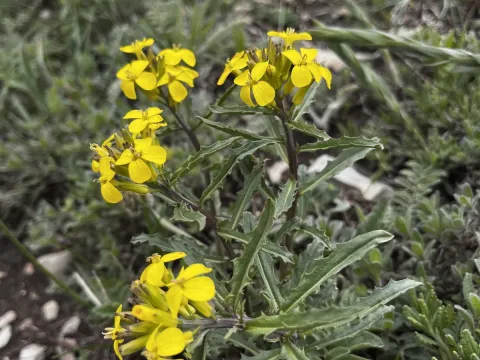
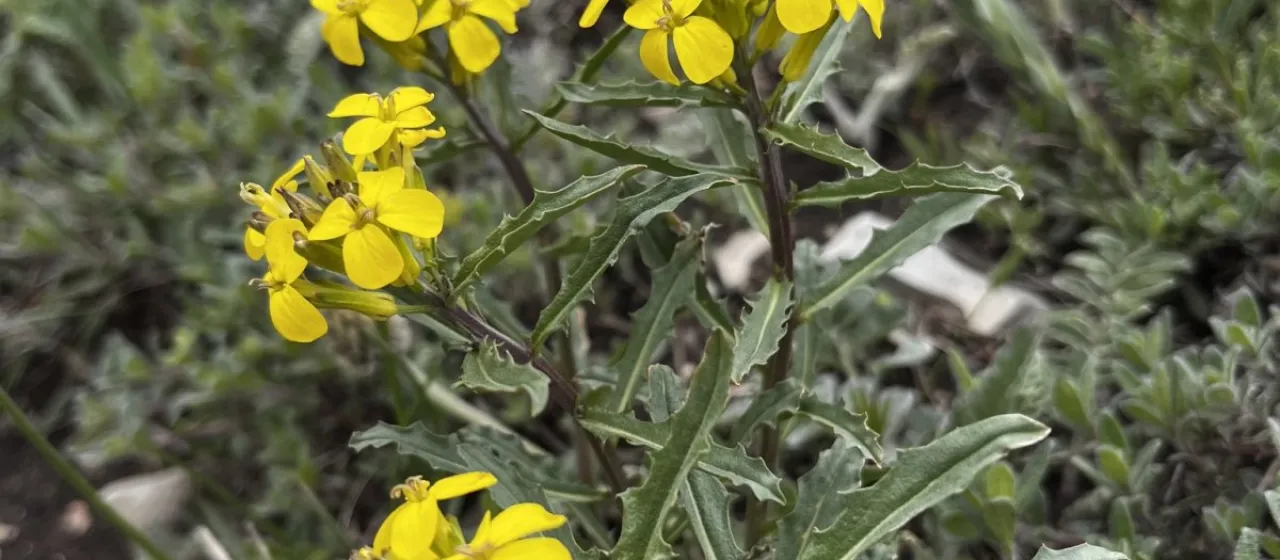
Botanically, Erysimum cuspidatum features a robust taproot and branched stems that typically grow up to one meter in height. Its lanceolate leaves are arranged spirally, and the vibrant yellow flowers are produced in dense racemes. The plant is known for its ability to thrive in poor soils, including stony and sandy substrates.
Agronomic requirements for this crop involve site selection with full sun exposure and well-drained soil. The sowing process requires precision due to the small size of the seeds. While the crop is generally drought-tolerant once established, early-stage weeding is critical to prevent yield loss from competitive weeds, as the plant exhibits relatively slow growth during the seedling phase.
The primary agricultural use is the harvesting of the aerial biomass for pharmaceutical extraction. Additionally, research into the seed oil composition has highlighted the potential for Erysimum cuspidatum to serve as a non-food technical oil crop, similar to other industrial Brassicaceae varieties.
Management of the crop requires monitoring for common brassica-related issues:
- Crucifer flea beetles, which can devastate early vegetative stages.
- Aphids, which pose a threat by colonizing the flowering parts.
- Downy mildew, prevalent in humid and cool growing conditions.
- White rust or similar fungal infections if proper crop rotation is neglected.
Photo gallery