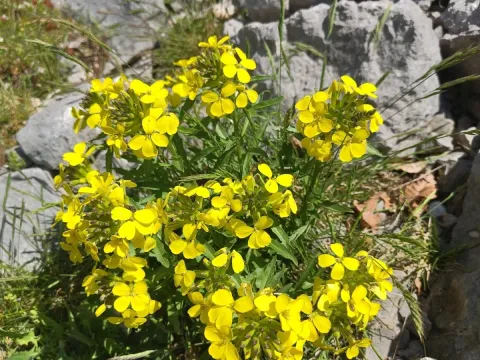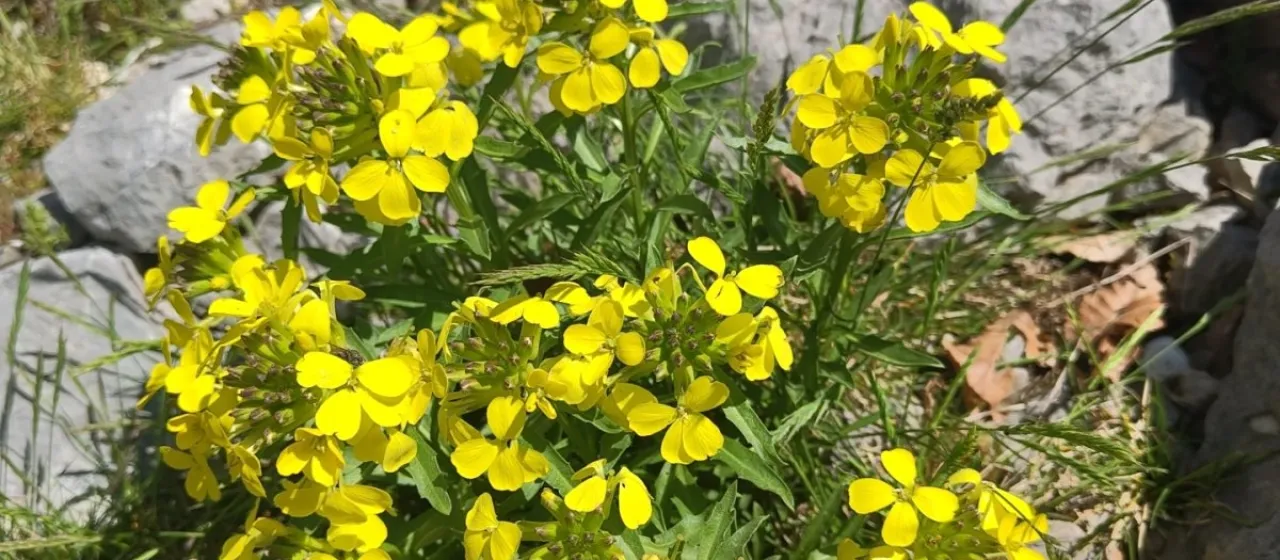
Description
The spreading wallflower (lat. Erysimum duriaei) is a herbaceous perennial belonging to the Brassicaceae family. In agricultural practice, it is primarily recognized for its biochemical profile, making it a valuable crop for the pharmaceutical and natural health sectors. The plant is noted for its resilience and adaptability to various environmental conditions.
Its natural range is primarily within Europe, where it thrives in temperate climates and mountainous landscapes. The crop is suited for cultivation on well-drained, sandy, or rocky soils. It favors environments with high sun exposure, which helps in the synthesis of essential oils and active components found within the plant tissues.
Botanically, the plant develops an upright stem with narrow, lanceolate leaves. Its growth habit is characterized by vibrant yellow flower clusters appearing during the blooming phase. The root system is robust enough to anchor the plant in loose substrates, allowing it to survive in regions with erratic rainfall and limited moisture availability.
Agronomic requirements for this crop involve maintaining neutral soil pH and ensuring optimal soil structure to prevent root rot. It is sensitive to waterlogging, which is a key factor in site selection. Proper fertilization programs, focusing on micronutrients, are recommended to sustain healthy growth and maximize the yield of the harvested material.
The main pests that affect this crop include those common to the cabbage family, specifically flea beetles and aphids. Integrated pest management, including regular crop monitoring and the use of targeted biological controls, is essential. Beyond medicinal uses, the plant also serves as an excellent honey plant, contributing to the support of local pollinator populations in agricultural ecosystems.
Photo gallery