Description
The large-flowered wallflower (Erysimum grandiflorum) is a perennial herbaceous plant belonging to the Brassicaceae family. It is a highly valued species in horticultural practices, particularly for rock gardens and dry landscapes where its ability to thrive in challenging environments is an asset.
Native to mountainous regions of Europe, the plant has evolved to survive in rocky, well-drained substrates. This evolutionary background makes it an excellent candidate for gardeners looking for plants that can withstand heat and periods of low rainfall once the root system is well-established in the ground.
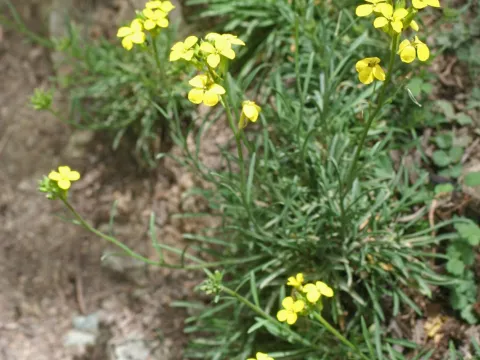
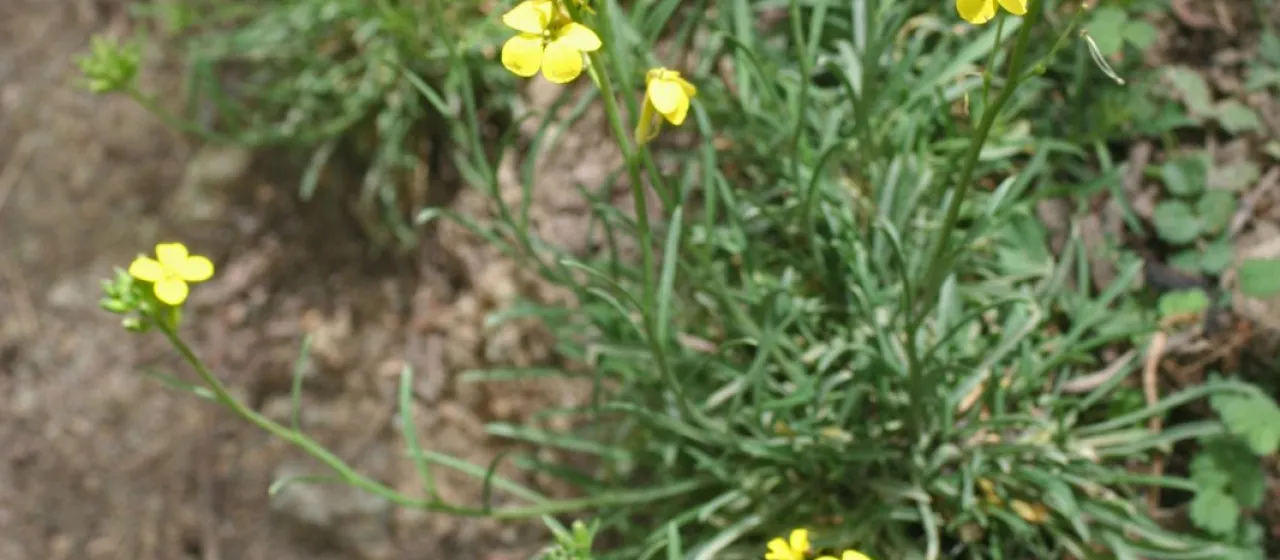
Botanically, this species is defined by its vibrant yellow, fragrant blossoms that appear in clusters, set against a backdrop of lance-shaped foliage. The plant typically reaches heights between 30 and 60 cm. Its growth habit is compact and sturdy, providing structural interest even before the flowering period begins in late spring and early summer.
In terms of cultivation, the plant requires full sun and soil with excellent drainage. It is highly intolerant of waterlogged conditions, which frequently lead to root decay. Gardeners should ensure a neutral or slightly alkaline soil pH and avoid over-fertilization, as this can lead to leggy growth rather than the desired compact form.
The agricultural and horticultural utility is primarily aesthetic. It is frequently used in rockeries, xeriscaping, and as an accent plant in perennial borders. Regarding plant health, cultivators should monitor for common cruciferous pests and fungal pathogens, especially if air circulation between plants is restricted.
- Excellent drought tolerance.
- Requires full exposure to sunlight.
- Thrives in lean, well-drained soil.
- Low maintenance after establishment.
Photo gallery