Description
The Japanese wallflower (Erysimum japonicum) is a biennial or perennial herbaceous plant belonging to the Brassicaceae family. It is recognized for its physiological properties and its specific role in traditional botanical applications, as well as its emerging importance in specialized horticultural and pharmaceutical production systems.
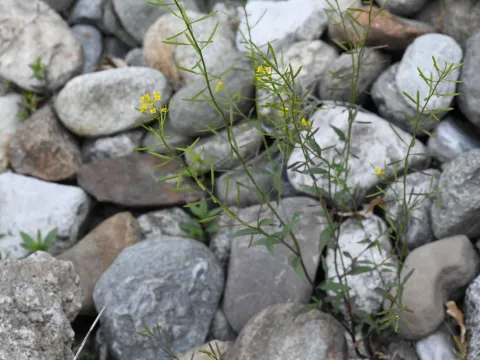
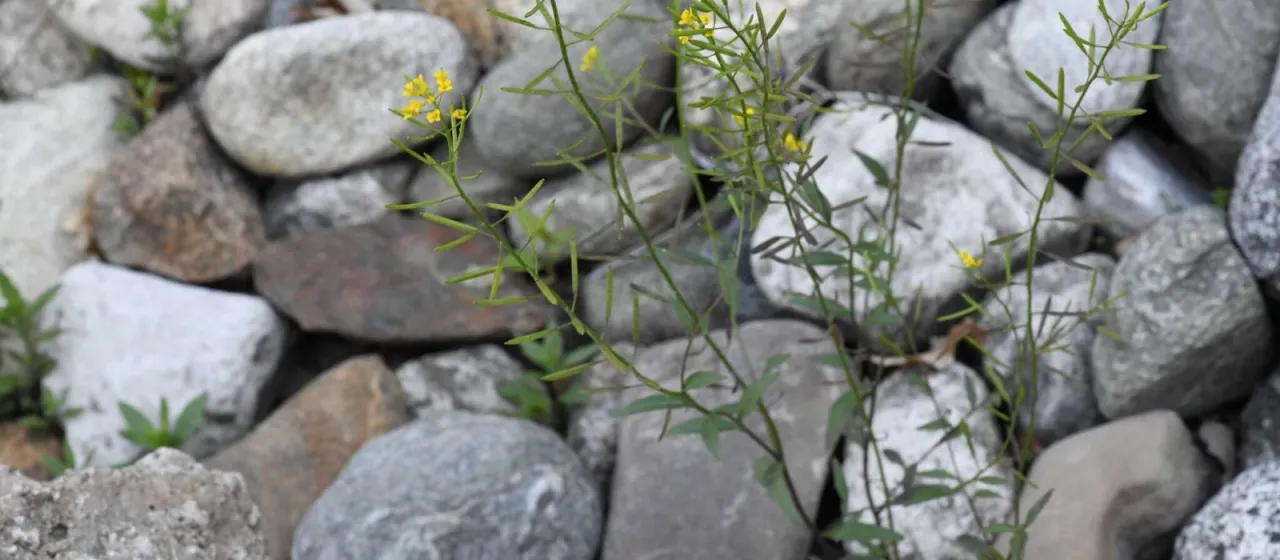
The native distribution area of this species is centered in East Asia, particularly Japan and adjacent regions. It naturally thrives in temperate habitats, often colonizing rocky terrains and well-drained open spaces. Its evolutionary adaptation to these environments defines its specific requirements for cultivation in a controlled agricultural setting.
Botanically, the plant features a robust, upright stem structure, usually reaching heights between 50 to 70 centimeters. Its foliage is composed of narrow, pubescent leaves, while the inflorescence is characterized by terminal racemes of vivid yellow flowers with a four-petaled structure. These features are typical of the Brassicaceae family and indicate a high level of ecological adaptation.
Successful cultivation requires meticulous attention to soil physical properties. The crop necessitates well-drained, porous soils to avoid root suffocation, with a preference for neutral to slightly alkaline pH levels. Agronomic management involves site selection with full sunlight exposure and optimal spacing to encourage air circulation and prevent fungal outbreaks throughout the growth cycle.
The primary economic use of Erysimum japonicum lies in its pharmacological potential, particularly in the extraction of specific cardiac-active glycosides. Furthermore, it is utilized in landscape gardening due to its aesthetic appeal and drought tolerance. Producers must monitor for common brassica pests, such as flea beetles and aphids, and implement strict control measures to protect plant yield and raw material quality.
Photo gallery