Description
Treacle mustard (Erysimum marschallianum) is a biennial or perennial herb belonging to the Brassicaceae family. In agricultural practice, it is cultivated primarily as a valuable medicinal crop due to its rich content of cardiac glycosides, which are essential for the pharmaceutical industry in the synthesis of heart medications.
The plant is native to the regions of Eastern Europe and the Caucasus. It typically thrives in well-drained, stony, or sandy soils, often found in open sunny meadows. Its natural habitat suggests a high resilience to dry conditions, making it a viable candidate for sustainable cultivation in steppe and arid regions.
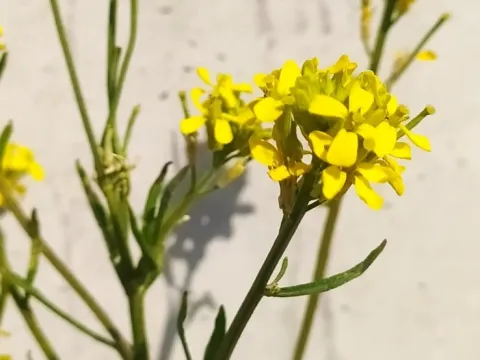
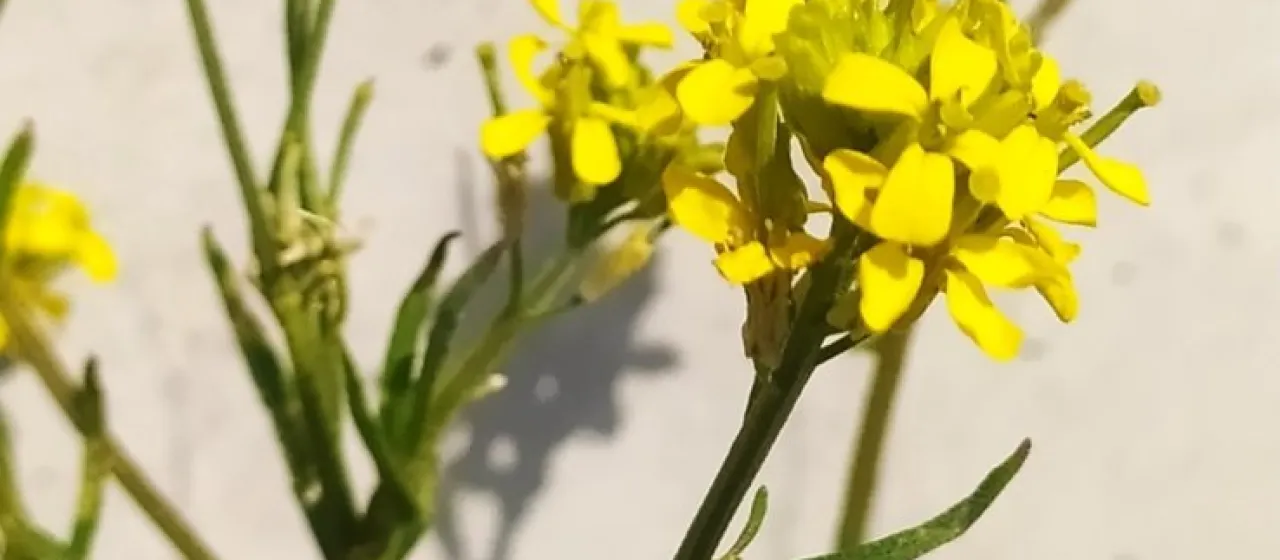
Botanically, this species is characterized by its erect, branched stems and narrow lanceolate leaves. It produces dense terminal racemes of bright yellow flowers during the late spring period. The root system is robust and tap-rooted, which allows the plant to sustain itself in nutrient-poor soils by accessing deep moisture reservoirs.
Regarding agrotechnics, the crop requires full sun exposure and soil with a neutral to slightly alkaline reaction. Efficient drainage is the most critical factor; waterlogging leads to rapid root decay and yield loss. Farmers should ensure weed-free seedbeds during establishment, as the seedlings are delicate and prone to suppression by faster-growing weeds.
- Requires well-drained soil
- Needs full sunlight exposure
- Sensitive to weed competition
- Susceptible to flea beetles
- Harvested during the peak flowering stage
Common threats to production include cruciferous flea beetles, which can decimate young crops, and fungal diseases such as powdery mildew, which thrive in conditions of poor air circulation. Effective crop rotation is mandatory to maintain soil health and reduce the pathogen load in the field.
Photo gallery