Description
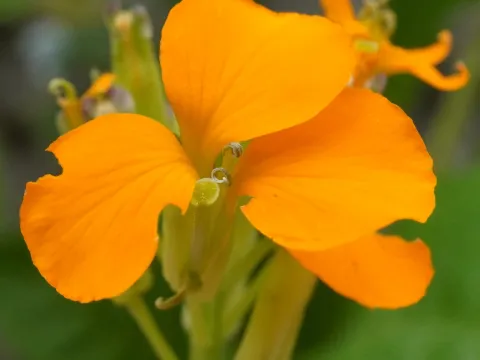
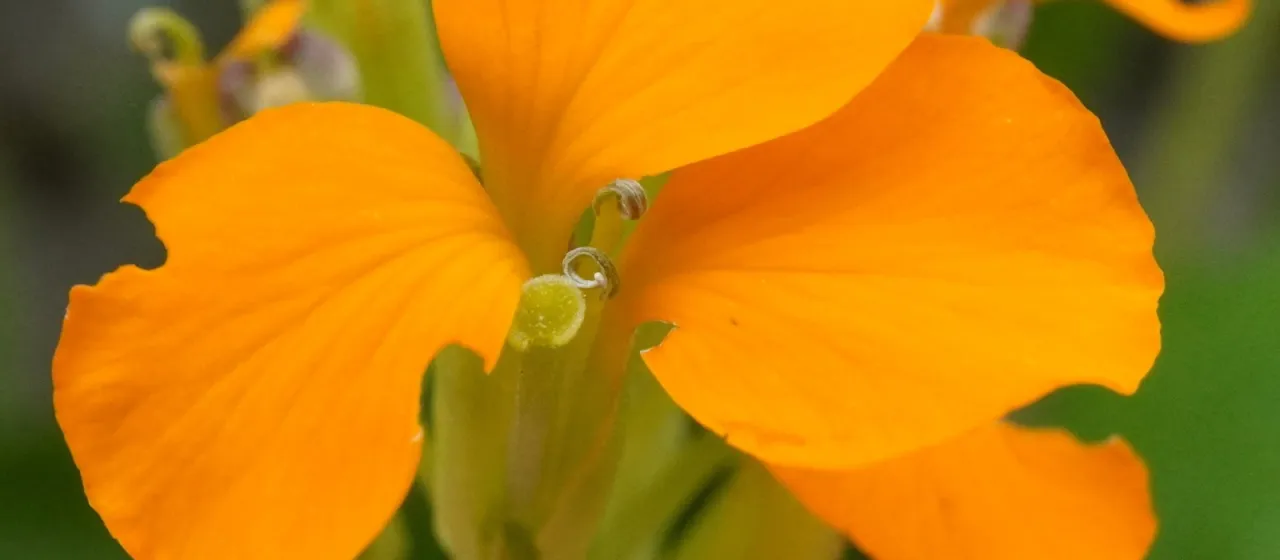
The Siberian Wallflower (Erysimum marshallii) is a vibrant perennial herb belonging to the Brassicaceae family. Highly regarded for its bright, fragrant orange-to-yellow blooms, this plant serves as a staple in various garden settings, particularly in rock gardens and front-of-border arrangements where its color intensity can be fully appreciated.
Originating from parts of Europe and Asia, this species has adapted well to a wide range of temperate climates. It is known for its ability to thrive in challenging conditions where other ornamental plants might struggle. Its natural habitat is typically characterized by well-draining, rocky soils, which informs its primary growth requirements in horticultural practices.
From a botanical standpoint, Erysimum marshallii features narrow, lance-shaped leaves and grows in bushy clumps reaching up to 50 cm in height. The flowers are clustered in dense racemes that appear in late spring and early summer. Its high tolerance for cooler temperatures makes it a reliable perennial in regions with distinct seasonal shifts.
Cultivation success relies heavily on site selection and soil management. The plant demands full sun exposure and excellent soil drainage. Heavy, water-retained soils are often detrimental to its root system, frequently leading to rot. Gardeners should provide moderate irrigation and periodic pruning after the flowering phase to maintain the plant's form and encourage longevity.
- Requires full sun exposure for optimal flowering.
- Avoids waterlogged soils at all costs.
- Benefits from occasional fertilization with balanced nutrients.
While generally hardy, the Siberian Wallflower can be susceptible to common cruciferous pests such as flea beetles and occasional fungal issues if humidity levels remain too high. Effective crop management includes proper spacing for air circulation and ensuring the planting site is clear of dense weeds that might harbor pests or diseases throughout the growing season.
Photo gallery