Erysimum merxmuelleri
Erysimum merxmuelleri
Description
Erysimum merxmuelleri is a rare herbaceous perennial belonging to the Brassicaceae family. While not a conventional field crop, it is a significant plant for botanical studies and specialized horticulture due to its unique adaptation to harsh, high-altitude mountain environments. As an endemic species, its existence is closely tied to specific ecological niches in the Balkan region.
The plant originates from the mountainous areas of the Balkans, thriving on rocky slopes and alpine screes. Its natural habitat is characterized by extreme temperature fluctuations, high solar exposure, and limited nutrient availability in the rocky substrate. These conditions have shaped the plant's physiological profile, making it a highly resilient species in terms of survival but demanding in terms of human-led cultivation.
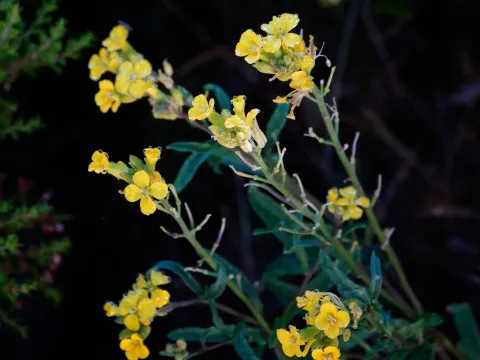
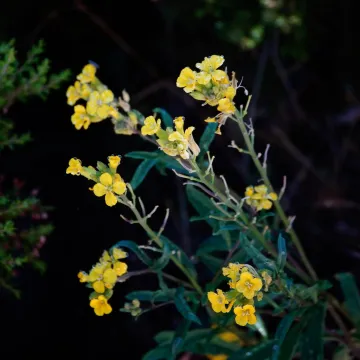
Botanically, Erysimum merxmuelleri displays characteristic features of its genus: narrow leaves, often with fine trichomes, and vibrant yellow, four-petaled flowers arranged in terminal racemes. Its root system is deep and penetrating, designed to anchor the plant in unstable rocky terrain. The reproductive cycle is tuned to a short summer, allowing for rapid flowering and seed production before the first frosts.
Cultivation requirements are strict. The primary focus for successful growth is soil structure; it requires an exceptionally well-draining, mineral-rich, and slightly alkaline substrate. Waterlogging must be strictly avoided, as the root collar is highly susceptible to decay. Fertilizer should be applied sparingly, as high-nutrient soils often result in rapid, weak growth that reduces the plant’s natural longevity.
In terms of agricultural and pharmaceutical application, species within the Erysimum genus are often investigated for their cardiac glycoside content. However, Erysimum merxmuelleri is primarily valued for its contribution to biodiversity and its role in ornamental rock gardening. Common pests to monitor include crucifer flea beetles and aphids, while soil-borne fungal pathogens such as clubroot remain the most significant threat to its health in non-native soil conditions.
Photo gallery