Description
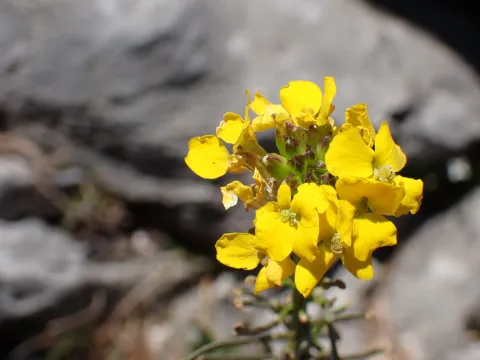
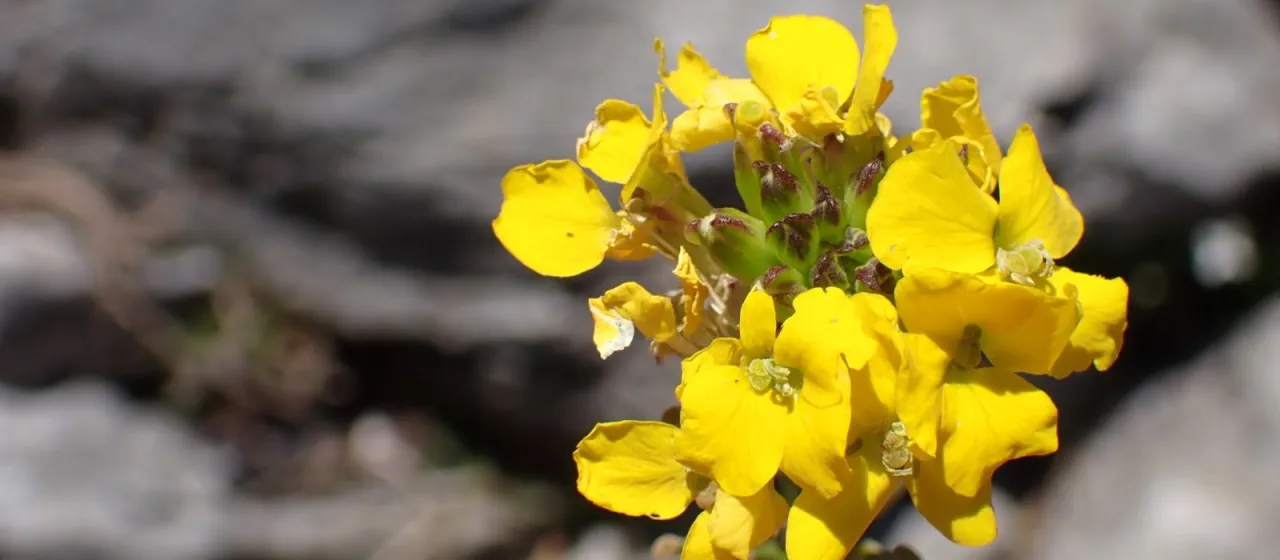
Fragrant wallflower (latin Erysimum odoratum) is a perennial herbaceous plant belonging to the Brassicaceae family. Recognized for its pharmaceutical potential, this crop is valued primarily for its cardiac glycoside content, which serves as a key raw material for medical applications. The plant is distinct for its pleasantly scented flowers during the active growing season.
The native distribution of this species spans across the steppe and forest-steppe regions of Europe and Western Asia. It thrives in open environments with well-draining soils. In agricultural practice, it is often cultivated as a specialized crop on farms focused on the production of medicinal herbs, requiring consistent conditions to ensure optimal growth and chemical composition.
Botanically, the plant develops an upright stem that reaches a height of up to 80 cm, characterized by narrow, alternate leaves. The bright yellow flowers are organized in terminal racemes, which later transform into slender seed pods. Its root system is well-adapted to drier conditions, providing resilience against seasonal fluctuations in soil moisture.
Regarding cultivation requirements, Erysimum odoratum prefers light, well-drained, alkaline-rich soils. It is notably drought-resistant once established. Successful crop management includes periodic weeding and ensuring the crop is not overshadowed by faster-growing competitive plants, especially during the first year of establishment in the field.
The industrial use of the fragrant wallflower revolves around its secondary metabolites used in pharmacological formulations. Key agronomic points for producers include:
- Effective weed control is critical during the seedling stage.
- Crop rotation should avoid other Brassicaceae to prevent soil-borne pathogen buildup.
- Harvesting is typically timed during the full flowering stage when the concentration of active substances is at its peak.
Photo gallery