Robust wallflower
Erysimum robustum
Description
Robust wallflower (Latin Erysimum robustum) is a perennial herbaceous plant belonging to the Brassicaceae family. This crop is noted for its specific physiological characteristics and high concentration of chemical compounds, which have made it a subject of significant interest in both agricultural research and pharmaceutical production.
The plant originates from mountainous and rocky terrains, which has defined its robust nature and environmental hardiness. Its natural distribution is found in regions where the climate is characterized by significant diurnal temperature fluctuations. In agricultural practice, it is cultivated in areas that mimic its natural habitat, requiring good drainage and high levels of sunlight exposure.
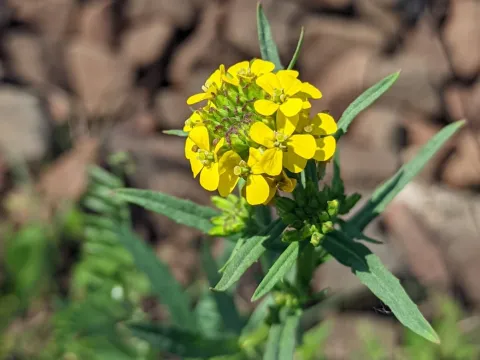
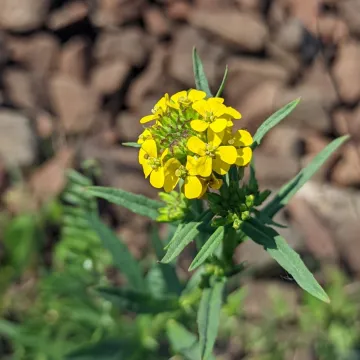
Botanically, Erysimum robustum is identified by its sturdy, erect stem and lance-shaped leaves that are adapted to withstand desiccation. The plant produces dense clusters of bright yellow, four-petaled flowers, which are characteristic of its family. The root system is deep and efficient, allowing the plant to draw nutrients from mineral-rich but sparse soils.
Agricultural requirements for this crop involve maintaining optimal soil aeration and avoiding waterlogged conditions, which are the most common cause of root rot in this species. Soil should be well-drained, preferably sandy loam or limestone-based, with a neutral to slightly alkaline pH. Regular monitoring for pests, specifically cruciferous flea beetles, is essential during the seedling stage.
- High adaptation to alkaline soil conditions.
- Source of specialized pharmacological compounds.
- Drought-resistant physiological traits.
- Beneficial for pollinating insect populations.
The primary economic value of the robust wallflower lies in the pharmaceutical industry. Its tissues are rich in cardiac glycosides, which are synthesized for medical heart therapy applications. Beyond its pharmacological utility, it is also being investigated for use in sustainable landscaping and erosion control projects, as its resilient root structure helps stabilize thin soils on slopes.
Photo gallery