Description
Wittmann's wallflower (Erysimum witmannii) is a perennial herbaceous plant belonging to the Brassicaceae family. In agricultural practice, it is primarily recognized as a specialized crop cultivated for its pharmaceutical value, specifically for its content of cardiac glycosides. This species displays a robust growth habit and is increasingly studied for its potential in sustainable medicinal crop production.
The plant is native to Central and Eastern European landscapes, particularly thriving in subalpine and mountain regions. It is highly adaptive to various temperate climates, preferring well-lit, open fields. Erysimum witmannii shows significant resilience to cold temperatures, making it a reliable perennial choice for northern and central climatic zones where other warmth-demanding crops might fail.
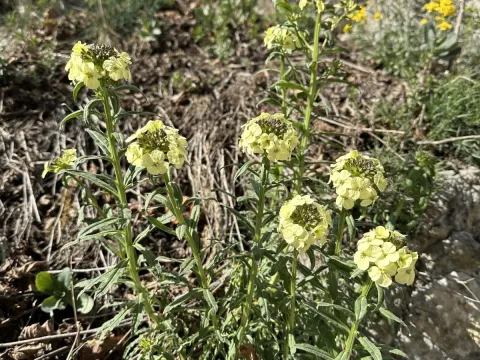
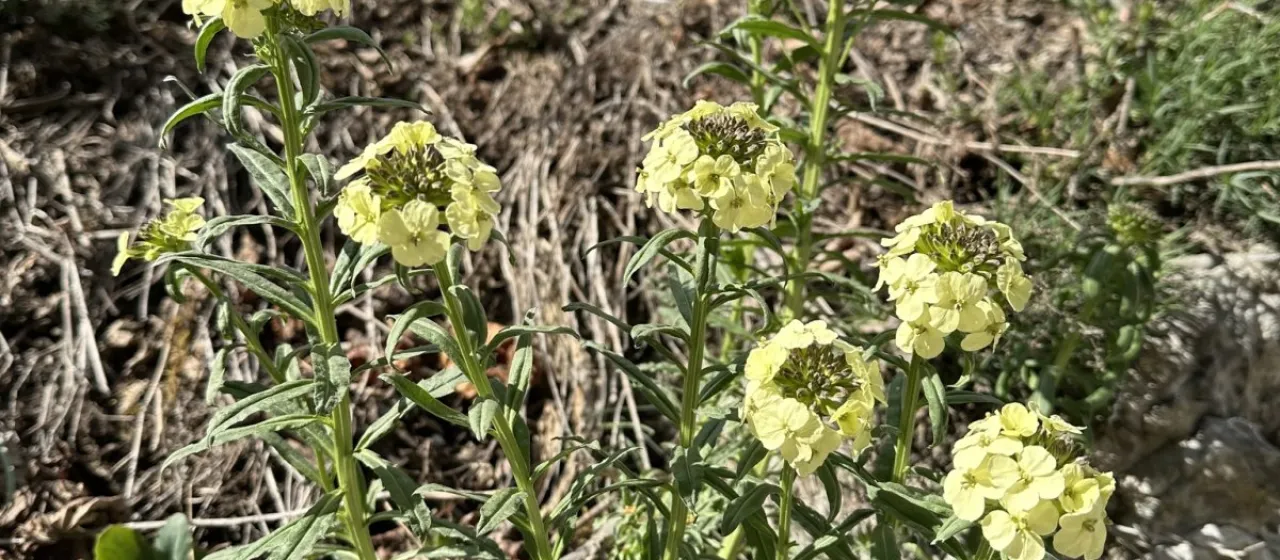
Botanically, the plant features a pubescent stem and lanceolate leaves arranged in a basal rosette. During the flowering stage, it produces clusters of vibrant yellow, cross-shaped flowers that are highly attractive to pollinators. The plant's root system is well-developed, allowing it to anchor securely and access nutrients from deeper soil layers, which contributes to its long-term survival.
Cultivation requirements focus on providing well-drained, neutral to slightly alkaline soil. Excessive moisture is a primary stress factor for this crop, so site selection should prioritize sloping terrain or areas with good drainage. Standard agrotechnical practices include weed control in the early development stages and ensuring adequate aeration of the root zone to promote uniform biomass development.
- Requires sunny locations to maximize phytochemical synthesis.
- Highly sensitive to cabbage pests such as flea beetles.
- Optimal growth observed in loamy, non-waterlogged soils.
- Requires harvest strictly during the flowering peak.
Economically, the crop serves the pharmaceutical industry, providing essential raw materials for cardiac medications. Beyond its medical use, Erysimum witmannii is valued in agricultural ecosystems for its role as a honey plant, supporting local apiaries during the late spring season. Proper management ensures sustainable production and maintains the ecological integrity of the planting area.
Photo gallery