Description
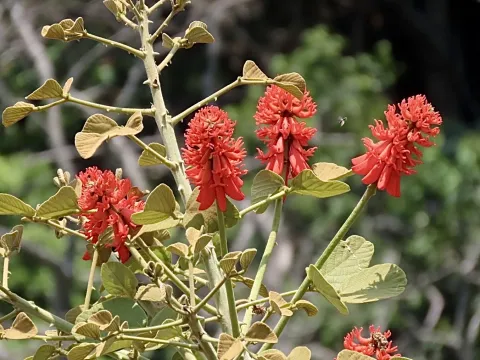
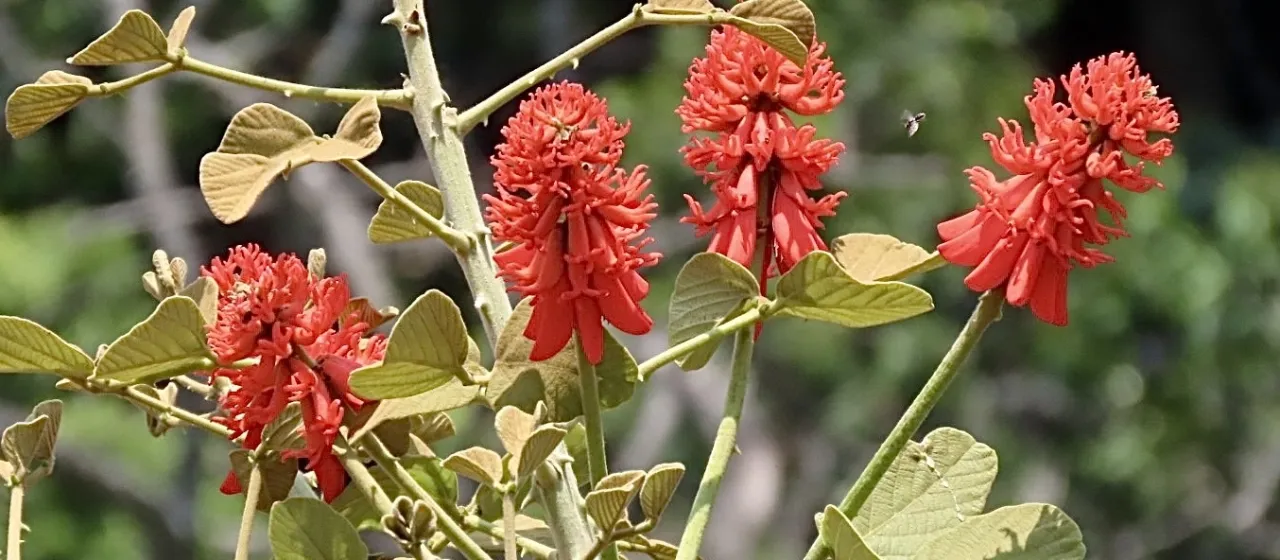
Erythrina abyssinica, commonly known as the Red-hot Poker Tree or African coral tree, is a species of flowering tree within the Fabaceae family. Native to the diverse landscapes of tropical Africa, this tree is a cornerstone of agroforestry systems due to its robust nature and symbiotic relationship with nitrogen-fixing bacteria in its root system.
The plant thrives in varied environments, ranging from grasslands and open woodlands to mountain forests. Its distribution across the African continent reflects its high adaptability to different thermal regimes. Economically, it is valued as an integral component of sustainable farming, specifically for soil rejuvenation and canopy cover in multi-crop systems.
Botanically, it features a thick, corky bark and striking orange-red to deep red flowers that appear on leafless branches. The compound leaves are trifoliate, providing significant organic matter when shed, which enhances soil fertility. The tree is also notable for its rapid growth rate when provided with adequate space and sunlight.
Cultivation requires careful site selection, prioritizing areas with deep, well-draining soil. While mature trees are highly drought-tolerant, young specimens benefit from consistent moisture during the establishment phase. Pruning is often employed in agricultural settings to manage tree height and promote the production of leafy biomass for green manure.
Beyond soil management, Erythrina abyssinica serves several secondary roles, including live fencing to contain livestock and the provision of raw materials for traditional woodworking. Typical pests include various borers and leaf-eating insects, though the tree is generally hardy. Disease resistance is high, making it a reliable choice for smallholder farmers in sub-Saharan Africa.
- Atmospheric nitrogen fixation
- Soil erosion control
- Sustainable green manure
- Traditional medicine source
- Live fencing and boundary marking
Photo gallery