Description
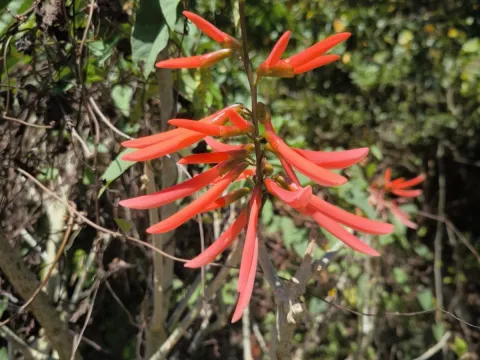
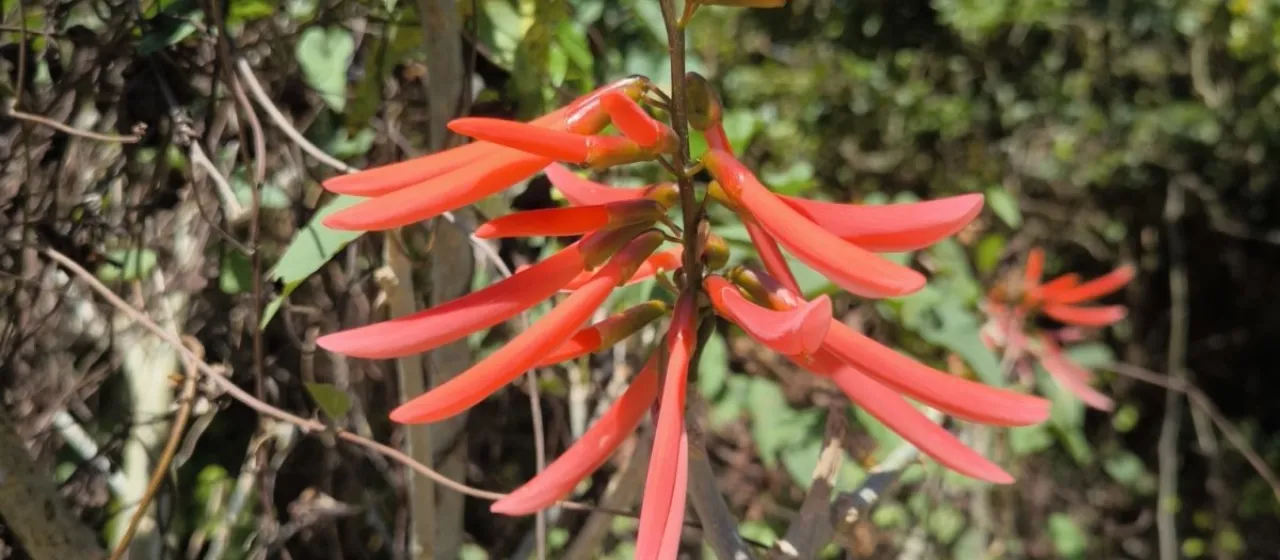
Erythrina berteroana is a perennial tree species belonging to the Fabaceae family. Recognized for its rapid growth and nitrogen-fixing capabilities, it is a significant agricultural resource in tropical regions. The plant typically grows as a medium-sized tree or a large shrub, characterized by its vibrant red-orange flowers and trifoliate leaves.
Originating from Central America and the Caribbean, this species is now widely distributed across tropical zones. It is commonly cultivated in subsistence farming and agroforestry systems, where it is highly valued for its adaptability and environmental benefits. It is a staple in regions where natural resource management is critical to farm sustainability.
Botanically, the species is defined by its ability to thrive even after rigorous pruning. The branches are often armed with small spines, particularly when young, providing natural protection. Its roots form symbiotic relationships with rhizobia, significantly improving nitrogen levels in the soil, which enhances the productivity of surrounding crops in intercropping systems.
The agronomic requirements for Erythrina berteroana involve warm climates and well-drained soils. While it can handle various soil types, it performs best under tropical conditions with adequate precipitation. Propagation is primarily achieved through stem cuttings, which show high rooting success rates. Regular maintenance, including systematic pruning, is essential to manage the growth habit and biomass yield.
The economic and agricultural utility of this plant is extensive:
- Production of high-protein fodder for livestock, including goats and cattle.
- Establishment of live fences to delineate property boundaries and secure fields.
- Utilizing foliage as a source of nitrogen-rich green manure.
- Providing shade for shade-grown crops like coffee and cacao.
Regarding plant health, the species is susceptible to various defoliating insects, particularly caterpillars that can significantly reduce biomass output if left unchecked. Additionally, fungal infections may occur in environments with poor drainage. Integrated pest management, focusing on sanitation and maintaining optimal soil conditions, is recommended for healthy crop development.
Photo gallery