Description
Coral bean (Erythrina corallodendron) is a perennial woody plant belonging to the Fabaceae (legume) family. Often identified as a large shrub or a small tree, it is renowned for its striking appearance and vibrant floral displays. In its native habitat, it can reach significant sizes, developing a woody frame protected by sharp thorns.
Originating from the tropical regions of the Caribbean and Central America, the plant thrives in warm, humid climates. It is widely cultivated in tropical landscapes worldwide for its ornamental value. Because it is highly sensitive to frost and cold temperatures, cultivation in regions outside the tropics is strictly limited to greenhouse environments or indoor containers.
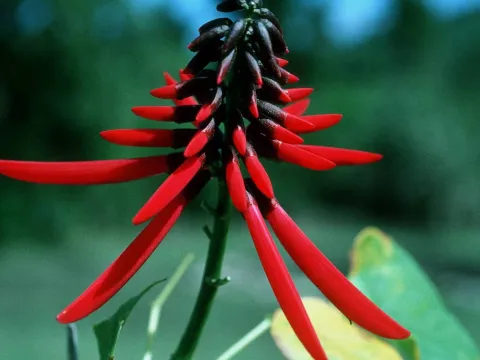
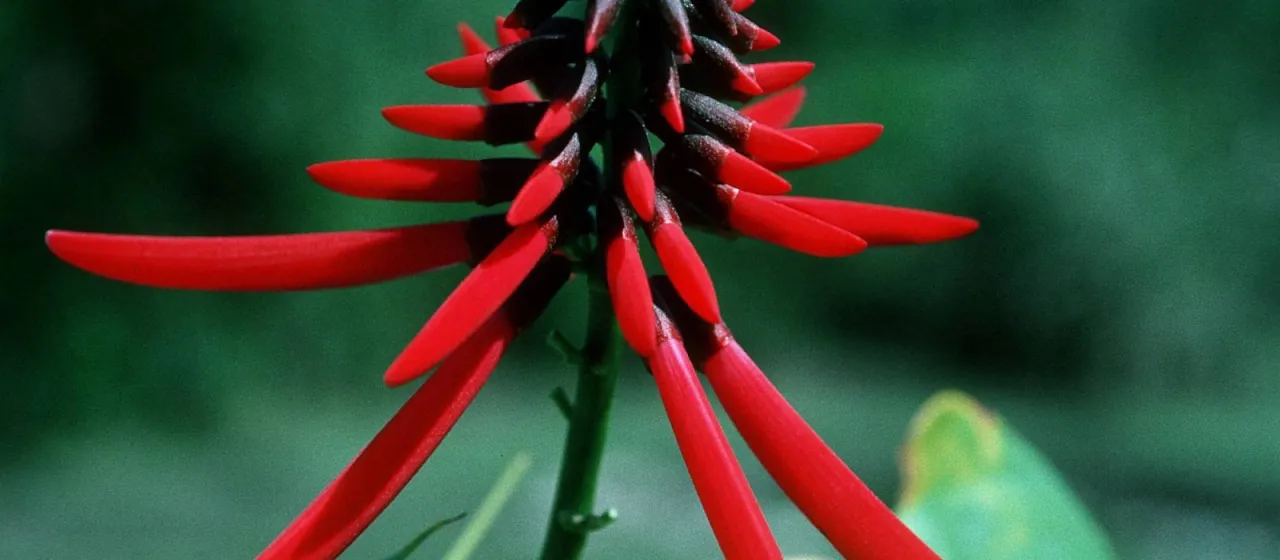
The botanical structure of the species features trifoliate leaves and large, raceme-shaped inflorescences consisting of bright scarlet, coral-like flowers. Following the flowering period, the plant produces elongated pods containing hard seeds. It is essential to note that the plant possesses toxic properties in its tissues, which serves as a defense mechanism against herbivores.
Cultivation requirements for this species include well-draining, fertile soil with a slightly acidic to neutral pH. It demands full sun exposure to maintain its vigor and promote prolific flowering. Agronomic management involves consistent irrigation during the growth phase, while avoiding waterlogging, as the root system is prone to rot in poorly drained conditions.
- Highly ornamental red blossoms.
- Full sun requirements.
- Pruning for size and shape control.
- Sensitivity to cold and frost.
- Susceptibility to spider mites and scale insects.
The primary horticultural application of the coral bean is in ornamental landscaping, where it serves as a focal point in tropical garden designs. Due to its toxicity, it is not utilized in livestock forage or commercial agriculture. Maintenance practices should focus on pest monitoring and ensuring adequate space for its growth, given its potential for rapid development in optimal tropical conditions.
Photo gallery