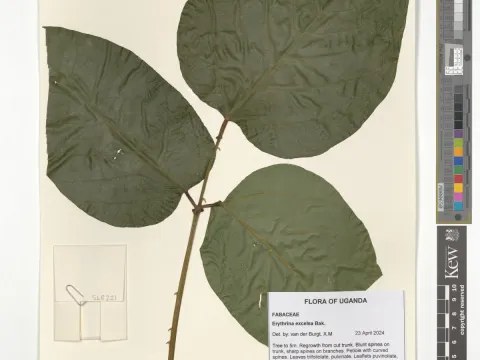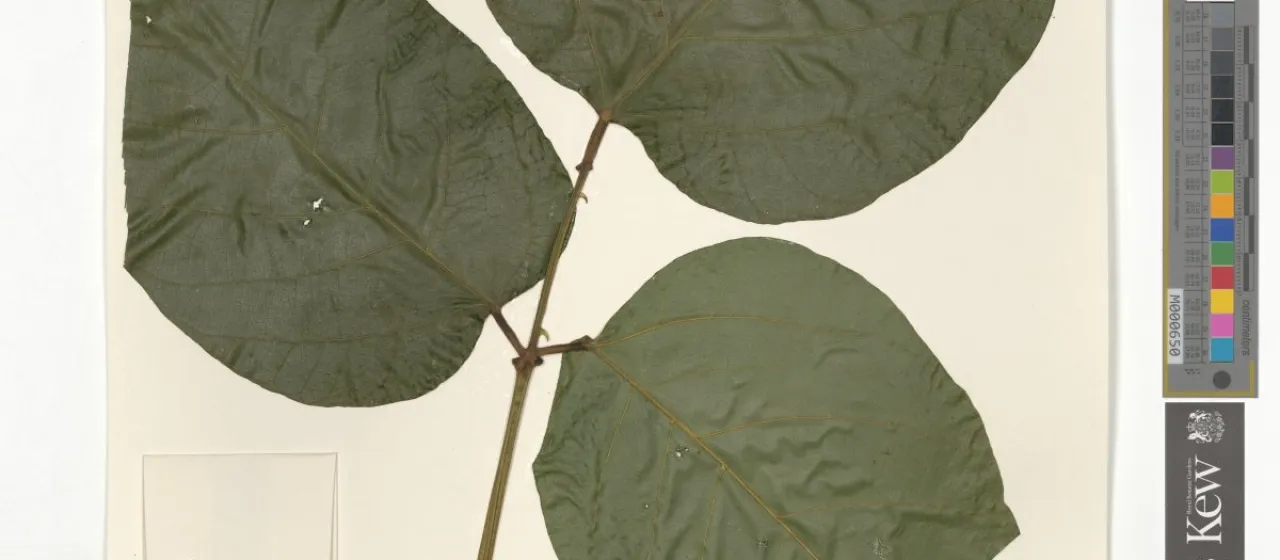
Description
Erythrina excelsa is a significant tree species belonging to the Fabaceae (legume) family. Known for its rapid growth and impressive stature, this tree serves as a vital component in tropical landscapes and agroforestry systems. It is highly valued for its ecological contributions, particularly in soil improvement and biodiversity support.
The species originates from tropical Africa, with its natural range spanning mountainous and forested regions. It thrives in humid tropical environments, showing a preference for high-rainfall areas and stable thermal conditions. Over time, it has become an integral part of the local flora, adapting to diverse altitudes and soil types within its native range.
Botanically, this tree is distinguished by its thorny bark, pinnate leaves, and brilliant red inflorescences that appear during specific growth cycles. Like many legumes, Erythrina excelsa possesses a sophisticated root system capable of biological nitrogen fixation. This process enriches the soil, making it a preferred choice for farmers looking to integrate trees into their agricultural plots.
Optimal cultivation requires well-drained soils and ample exposure to sunlight. While the tree is robust, initial establishment requires careful management to ensure it is not outcompeted by aggressive grasses or weeds. Agrotechnical practices often include protective mulching, appropriate spacing to allow for crown development, and occasional pruning to manage shade density.
The primary agricultural and economic applications include:
- Providing shade for perennial crops like coffee and cocoa.
- Establishing effective windbreaks to prevent soil erosion.
- Utilizing wood for artisanal crafts and light construction tasks.
- Improving overall field fertility through organic matter deposition.
Pest and disease management involves monitoring for wood-boring insects and fungal pathogens that can affect the bark or leaves under moisture stress. Maintaining hygiene within the grove by removing dead wood and ensuring proper air circulation around the canopy is essential for preventing outbreaks and ensuring the longevity of the plantation.
Photo gallery