Description
Erythrina folkersii is a perennial woody plant belonging to the Fabaceae family. This tree is well-known for its striking inflorescences and its ability to fix nitrogen in the soil, which makes it a highly valuable component in tropical agricultural ecosystems.
The species originates from Central America, specifically found in countries such as Honduras, Nicaragua, and Costa Rica. It thrives in humid tropical forests and transition zones, where environmental conditions allow it to grow to substantial heights, developing a characteristic spreading canopy.
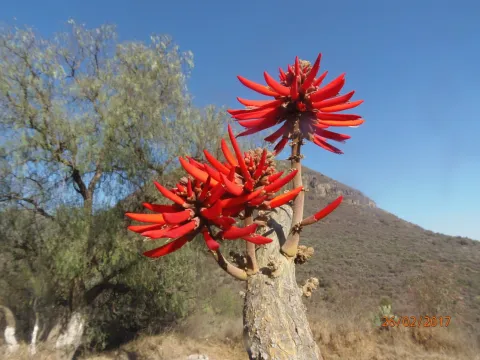
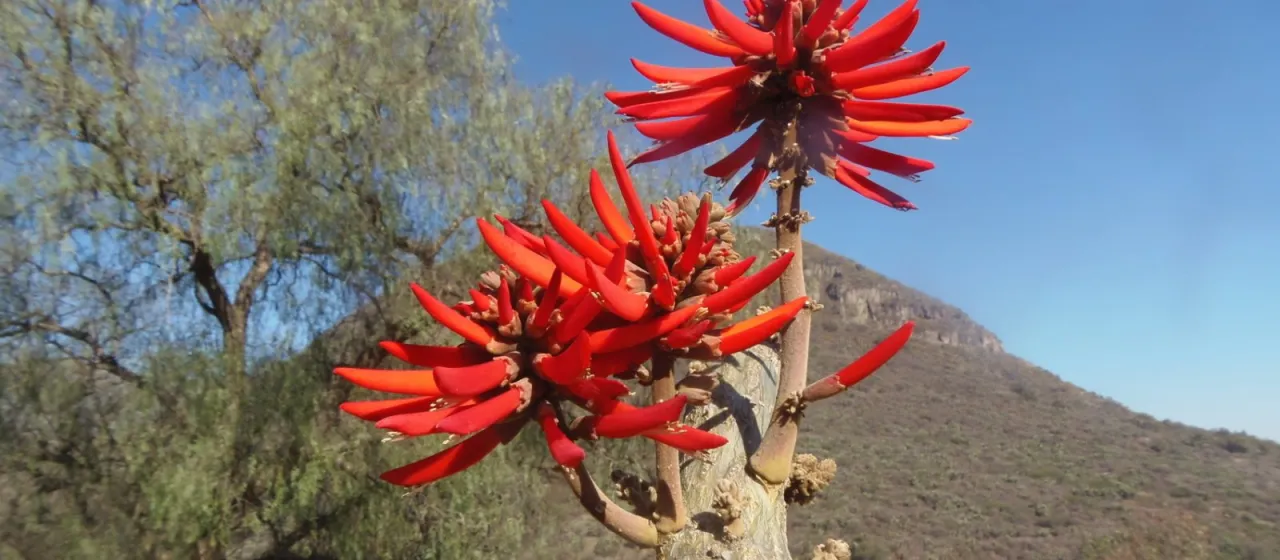
Botanically, the culture is distinguished by its thorny branches and trifoliate compound leaves. During the blooming season, the tree is covered in vibrant red or orange inflorescences, which serve as a magnet for various pollinators, including birds and insects, thereby supporting local biodiversity.
Successful cultivation of Erythrina folkersii requires well-drained fertile soils and a consistently warm climate. The plant is sensitive to frost, which limits its primary growing range to tropical and subtropical zones. In terms of agrotechnics, it is crucial to ensure adequate irrigation during the early establishment phase of young saplings.
The agricultural and economic utility of this species is quite diverse. It is commonly utilized for:
- Living fences and windbreaks on plantations.
- Enhancing soil fertility through biological nitrogen fixation.
- Providing shade for shade-grown crops like coffee and cacao.
- Ornamental use in urban landscaping and public parks.
Among the typical challenges during cultivation are infestations by specific tropical insect pests, such as leaf-eating caterpillars and scale insects. Diseases, particularly root rot, may occur due to poor drainage or waterlogging, necessitating careful soil management to maintain plant health.
Photo gallery