Description
Erythrina fusca, commonly known as the swamp immortelle, is a notable species within the Fabaceae family. It is a unique legume tree recognized for its exceptional resilience to waterlogged conditions, making it a critical species for wetland reforestation.
The plant originates from tropical regions of the Americas, ranging from South America to the Caribbean, and has been naturalized in parts of Asia and Africa. It naturally inhabits riverbanks, coastal mangrove fringes, and freshwater swamps where traditional timber trees cannot thrive.
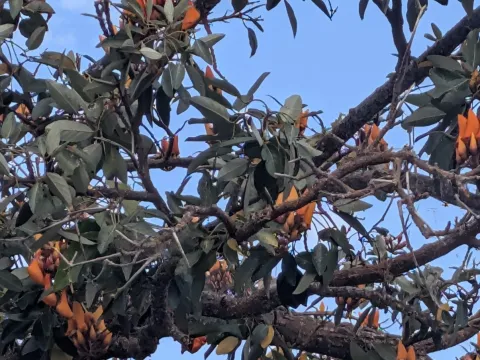
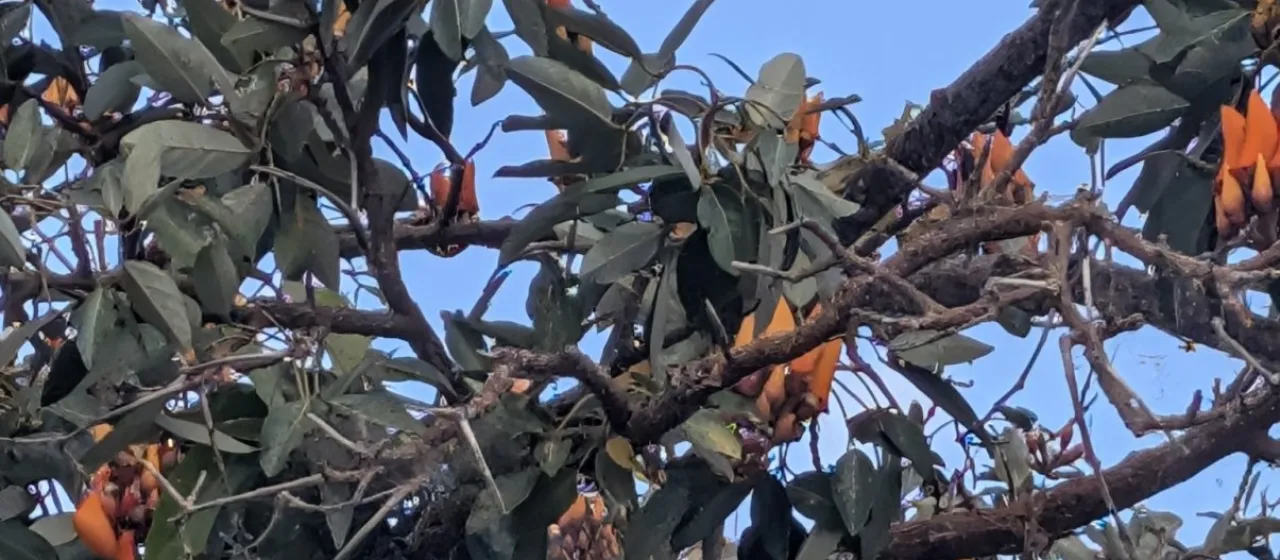
Botanically, it is a deciduous tree that can grow up to 25 meters tall. It features trifoliate leaves and large, striking orange-red inflorescences that bloom periodically. The tree’s roots have a symbiotic relationship with nitrogen-fixing bacteria, significantly improving soil fertility in its vicinity.
Cultivation requirements are relatively straightforward. Erythrina fusca prefers sunny locations and deep, moist soils. It is commonly propagated via hardwood cuttings or seeds, demonstrating a high survival rate even in poor or saline-impacted soils, provided they are sufficiently saturated.
The agricultural and economic applications include:
- Serving as a shade tree for cocoa and coffee plantations.
- Acting as a living fence or boundary marker in tropical farming.
- Providing nitrogen-rich mulch for sustainable farming systems.
- Utilization of its lightweight, soft wood for crafts and simple construction.
The tree is generally hardy, but it can be susceptible to pests such as various borers and defoliating caterpillars. Pathological issues like root rot may occur if the soil environment becomes completely stagnant and lacks basic oxygen exchange for prolonged periods, requiring site monitoring.
Photo gallery