Description
Coral bean (Erythrina herbacea) is a herbaceous perennial shrub belonging to the Fabaceae family. Unlike other species in the genus Erythrina, which typically grow into large trees, this plant features stems that die back to the ground during colder months, effectively acting as a perennial that regenerates from a thick, woody rootstock each spring.
Native to the southeastern United States and northeastern Mexico, this species thrives in sandy, well-drained soils. Its natural habitats include forest edges, coastal areas, and open grasslands. It has evolved to survive in regions with specific wet and dry cycles, making it a highly resilient plant once established in suitable growing conditions.
Botanically, the plant is characterized by its trifoliate leaves and striking, tubular scarlet flowers that grow in long racemes. These flowers are a significant nectar source for local hummingbirds, which play a crucial role in the pollination of this species. The stems, which can reach heights of several feet, are sometimes adorned with small, inconspicuous prickles.
Cultivation requirements for Erythrina herbacea are relatively straightforward but demand attention to drainage. It is a drought-tolerant species once it has a developed root system, but regular watering is necessary during the establishment phase. It prefers full sun exposure to maintain its vigorous growth and to trigger its signature intense flowering display.
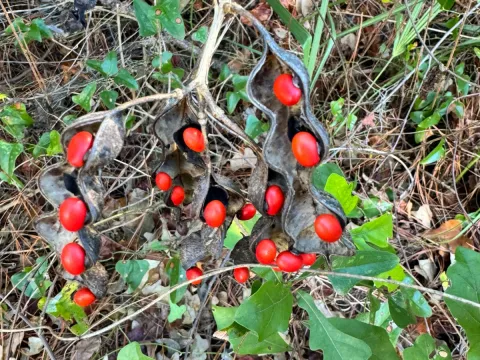
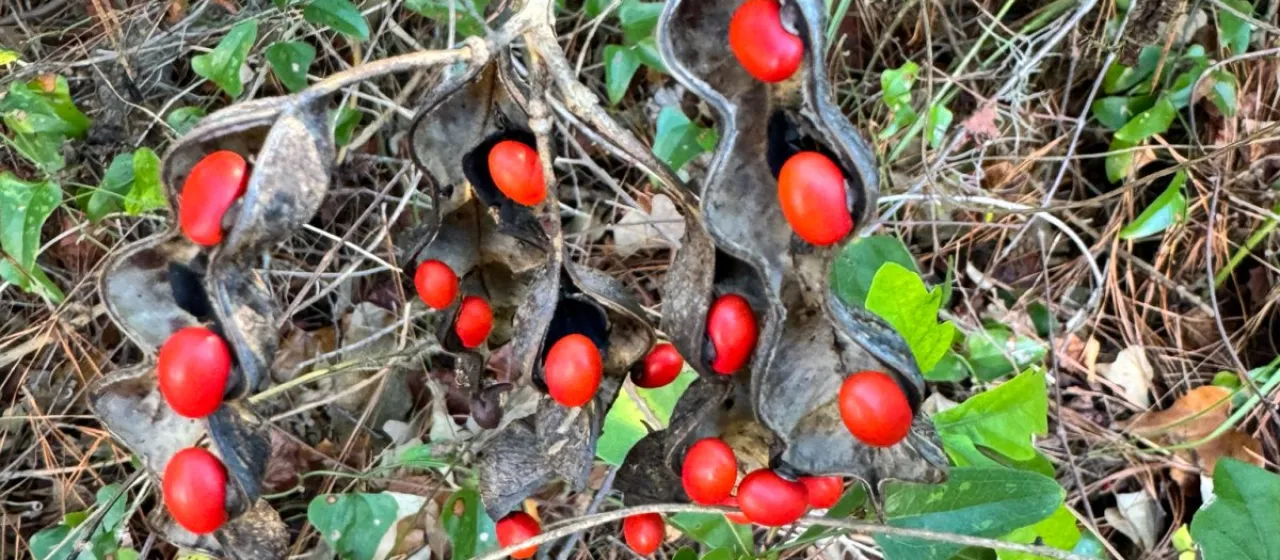
In terms of хозяйственного (utilitarian) use, the plant is valued almost exclusively as an ornamental. It is frequently incorporated into native plant gardens and landscapes intended to support local pollinators. However, gardeners should be aware that all parts of the plant, especially the seeds, are toxic due to the presence of erythrina alkaloids and should be handled with caution.
- Highly attractive to hummingbirds and pollinators.
- Requires excellent soil drainage to prevent root rot.
- Dies back to the ground in temperate climates.
- Contains toxic alkaloids in leaves and seeds.
Photo gallery