Description
Erythrina livingstoniana is a striking deciduous tree belonging to the Fabaceae family. Known for its distinct appearance, it is highly regarded in horticulture for its spectacular display of crimson to scarlet flowers that emerge while the tree is bare, creating a vivid contrast against the landscape.
This species is native to the eastern and southern regions of Africa, specifically found in countries like Mozambique, Zimbabwe, and Malawi. It naturally thrives in savanna regions and open woodlands where it has adapted to significant fluctuations in seasonal rainfall and temperature, making it a robust specimen in its habitat.
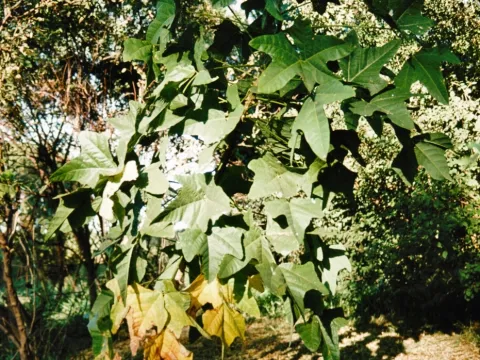
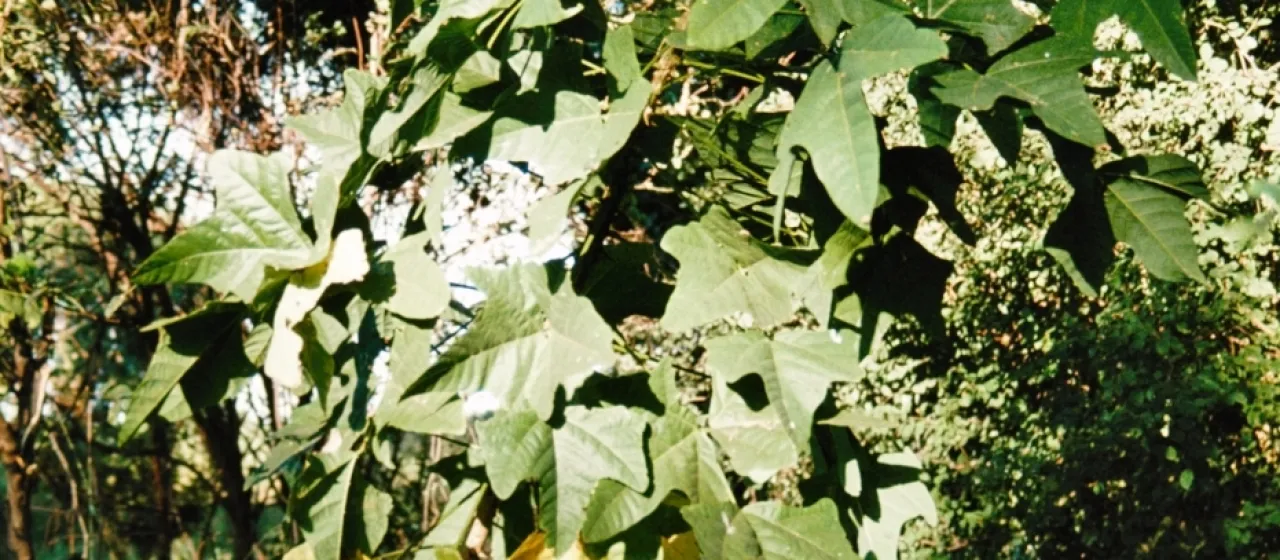
Botanically, the tree is characterized by a thick, corky bark and branches often armed with small thorns. Its leaves are trifoliate, typical of the genus, and provide a lush canopy during the rainy season. The flowers are arranged in large, dense clusters that are highly attractive to nectar-feeding birds and various pollinators.
To successfully cultivate this species, it requires a site with full sun exposure and well-draining soil. It is relatively drought-tolerant once established, but it thrives with regular irrigation during the growing season. The soil should be slightly acidic to neutral, and fertilization should be minimal to prevent excessive vegetative growth at the expense of flowering.
The primary use of the plant is in ornamental landscaping, where it serves as a focal point in tropical and subtropical gardens. Beyond its beauty, it contributes to soil nitrogen fixation, aiding in ecological balance. Maintenance involves careful monitoring for pests like aphids and scale insects, while proper drainage is essential to avoid fungal diseases such as root rot.
Photo gallery