Description
Erythrina poeppigiana, commonly known as the mountain immortelle, is a prominent member of the Fabaceae family. As a fast-growing leguminous tree, it serves as a cornerstone for modern agroforestry systems, particularly in tropical landscapes where soil management is essential.
The species is native to the tropical regions of South America. Its natural range encompasses the Amazon Basin and the Andean foothills. Today, it is cultivated extensively across Central and South America, as well as in other tropical zones worldwide, primarily integrated into plantation layouts.
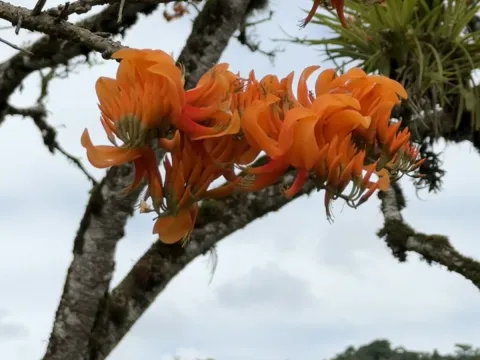
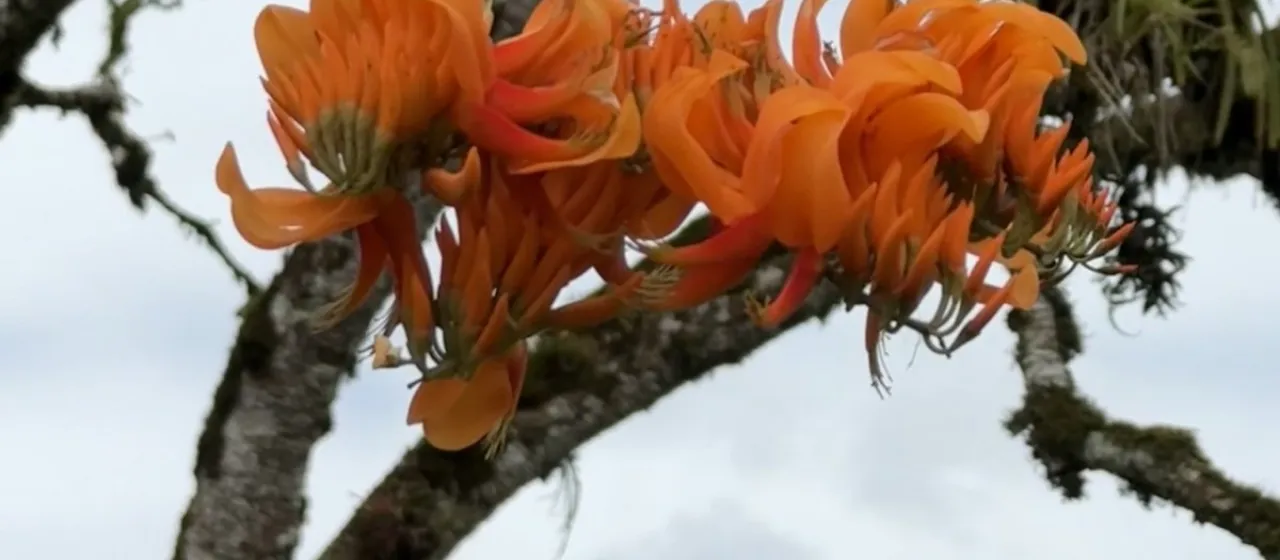
Botanically, it is a deciduous tree reaching heights of up to 30 meters. It features trifoliate leaves and vibrant orange-red flowers that are highly attractive to birds and insects. Its rapid biomass production is one of its most distinct biological characteristics, allowing for frequent pruning cycles.
Agrotechnically, the tree thrives in well-drained, fertile soils with high moisture availability. It is highly valued for its ability to fix atmospheric nitrogen through symbiosis with soil bacteria, effectively enriching the soil. It is drought-tolerant once established but requires consistent irrigation during the early juvenile stages.
The primary agricultural use is to provide shade for sensitive crops like coffee and cocoa, which benefit from the moderated climate beneath the canopy. Additionally, its prunings act as an excellent green manure, significantly boosting nutrient profiles in agricultural soils and preventing topsoil erosion.
- Exceptional nitrogen-fixing capabilities.
- High biomass yield for nutrient cycling.
- Protection against harsh wind and excessive solar radiation.
- Effective soil structure improvement and erosion control.
Photo gallery