Description
Erythrina stricta is a deciduous tree belonging to the Fabaceae family, recognized for its striking floral displays and structural integrity. Often referred to in local contexts, this species is a prominent example of tropical biodiversity found in Asian forests.
The native range of this plant includes the tropical regions of India, Myanmar, and other parts of Southeast Asia. It thrives in environments with distinct seasonal cycles, although it requires protection from extreme weather conditions to maintain its ornamental value.
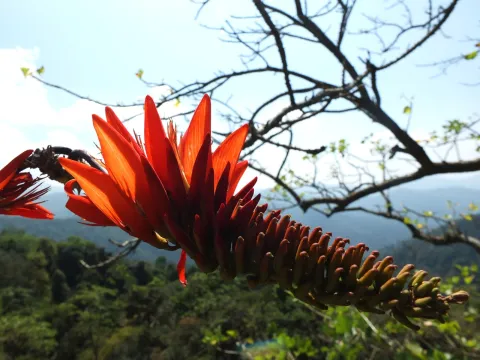
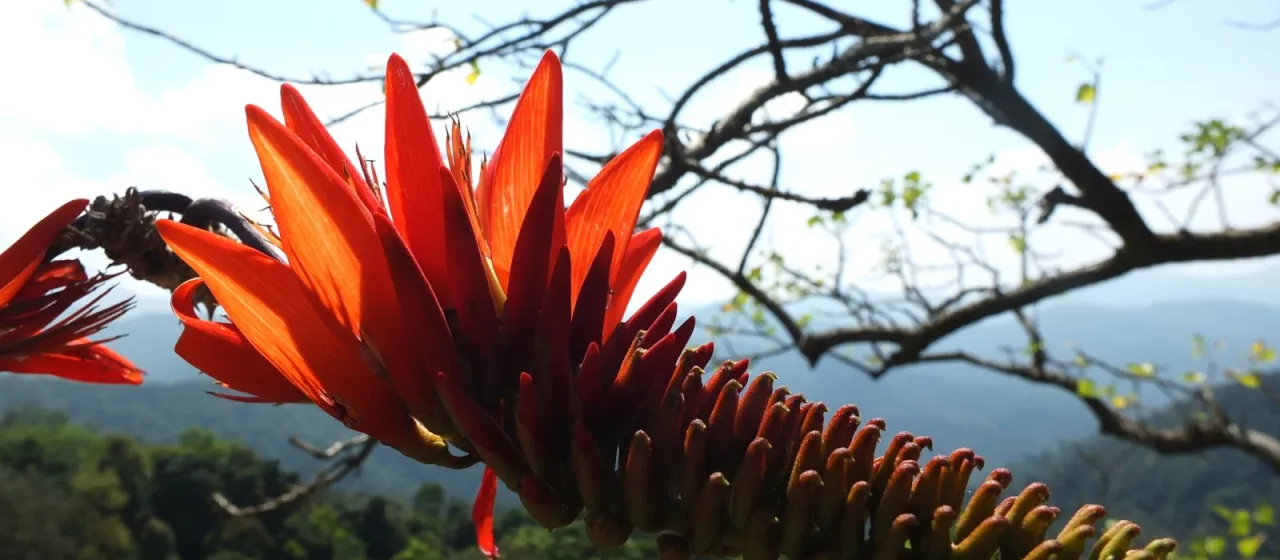
Botanically, the species is distinguished by its prickly trunks and branches, which act as a defense mechanism. The foliage is characteristically trifoliate, and the tree produces vibrant, coral-red inflorescences that bloom before the new leaves emerge, creating a dramatic visual impact.
Successful cultivation requires well-drained, fertile soil and ample exposure to sunlight. The plant is drought-tolerant once established but benefits from regular irrigation during the initial stages of growth. Proper soil aeration is critical to prevent root-related issues in high-humidity areas.
Economically, Erythrina stricta is valued primarily for ornamental purposes, frequently used in public landscaping, garden design, and as a component of living fences. It also provides shade in agroforestry systems, contributing to the microclimate regulation for understory crops.
- High visual impact during the flowering season
- Drought tolerance when fully mature
- Susceptibility to sap-sucking pests in stressed conditions
- Importance of annual pruning for canopy management
Photo gallery