Description
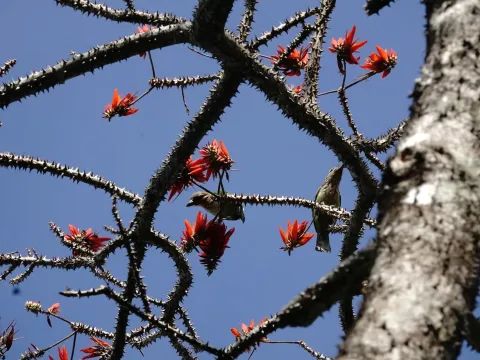
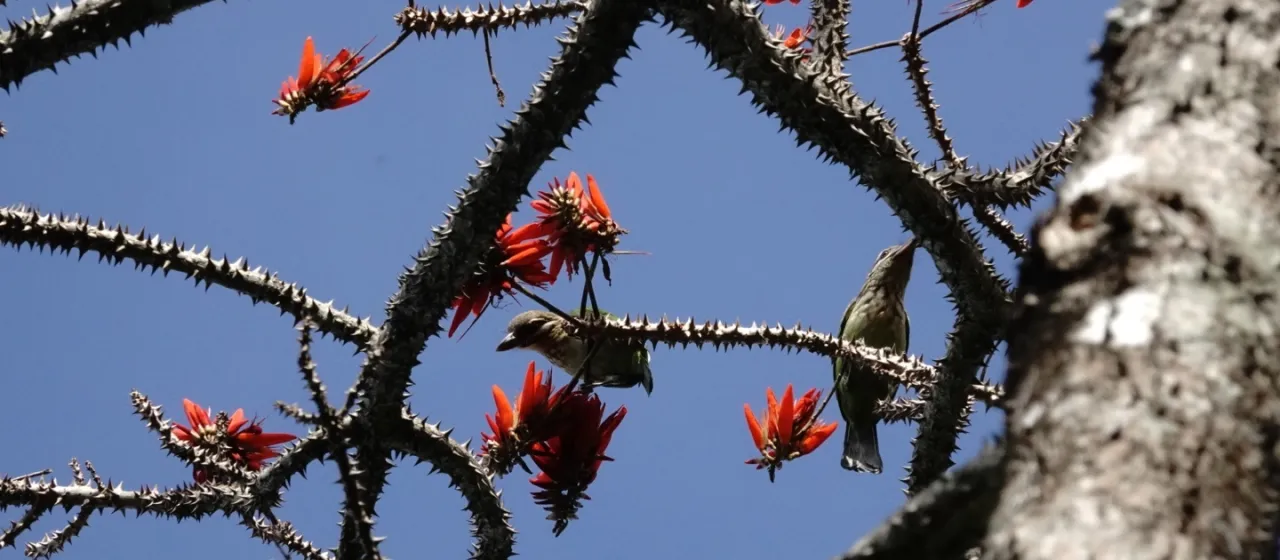
Erythrina variegata, commonly known as the Indian coral tree, is a prominent species within the Fabaceae family. This deciduous tree is renowned for its spectacular, bright red flowers that emerge on bare branches, creating a striking visual impact. As a fast-growing agricultural and ornamental tree, it serves as a critical component in various tropical landscapes and farm environments.
Originating from the tropical regions of Asia and the Pacific, this tree has established a wide distribution range across various coastal and inland habitats. It is highly valued for its adaptability, thriving in diverse soil types including sandy, clay-heavy, and volcanic soils. Its natural range demonstrates its robust nature, allowing it to flourish in environments that challenge many other plant species.
Botanically, the species is distinguished by its prickly trunk and branches, and large, trifoliate leaves. It is a nitrogen-fixing legume, which plays a pivotal role in maintaining soil health. The biological cycle of the tree is closely linked to seasonal rainfall, where it often sheds its leaves during dry periods to conserve energy before the intense bloom cycle begins.
Agricultural requirements for Erythrina variegata include a warm climate with full sunlight exposure. While the tree is drought-tolerant once established, it benefits from moderate moisture levels during the early stages of growth. Propagation is typically achieved through large stem cuttings, which possess a high ability to root easily in moist, well-draining media. Periodic pruning is recommended to manage tree density and encourage foliage health.
The tree provides substantial economic and practical utility. It is frequently employed in agroforestry systems as a living fence, a shade provider for cash crops like coffee, and a source of high-protein forage for livestock. Farmers also utilize it to improve soil fertility via leaf litter decomposition. Despite its hardiness, growers should monitor for common pests such as leaf-eating caterpillars and spider mites, and avoid waterlogged conditions to prevent root disease.
Photo gallery