Description
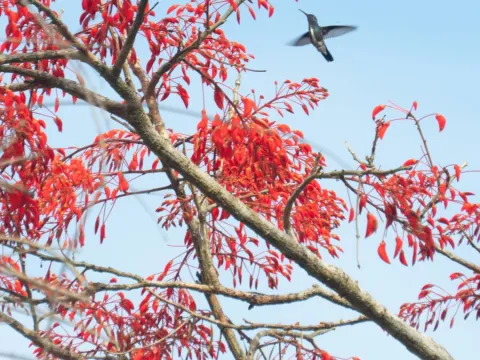
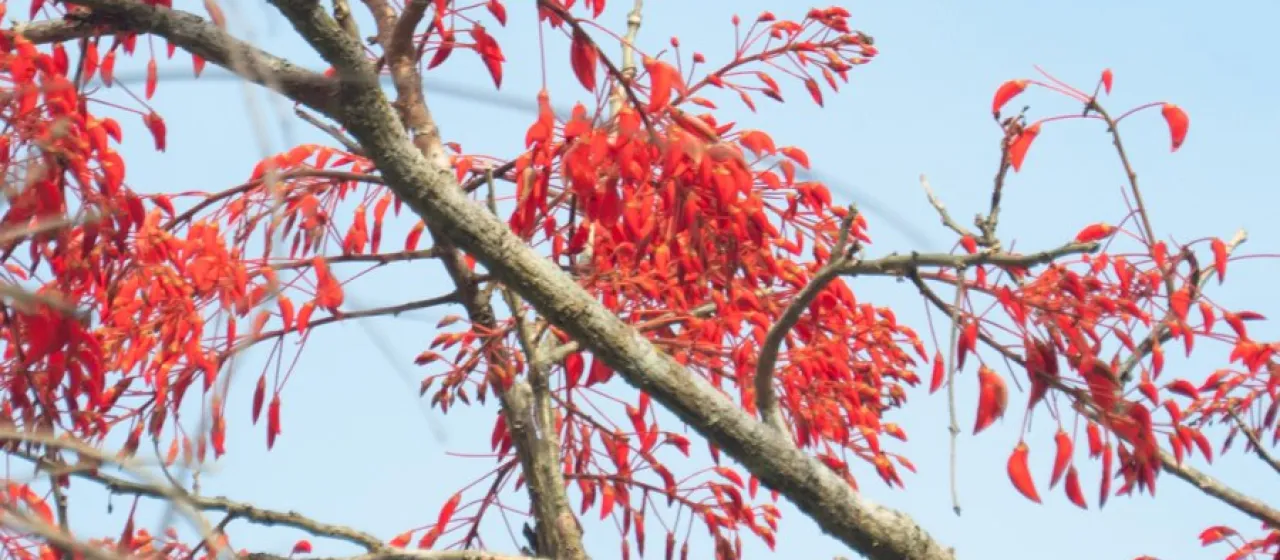
Erythrina verna, commonly known as a type of coral tree, is a deciduous tree belonging to the Fabaceae (legume) family. It is renowned for its spectacular flowering display, during which the tree sheds its foliage and becomes covered in vibrant red clusters, making it a highly valued specimen for both landscape design and reforestation in tropical climates.
This species is native to South America, primarily originating from Brazil. It is widely distributed across forests and savanna regions. In its natural habitat, the tree thrives in areas with distinct seasonal climates, allowing it to adapt effectively to drought periods by utilizing moisture stored within its robust and deep root system.
Botanically, the plant grows as a tree ranging from 5 to 15 meters in height, featuring a thick and often prickly trunk. The leaves are compound and trifoliate. Flowering typically occurs in late winter or early spring, preceding the emergence of new leaves. The flowers grow in dense, tubular clusters, providing a vital nectar source for bird pollinators, such as hummingbirds.
Successful cultivation of Erythrina verna requires well-drained soils with a neutral to slightly acidic pH. The crop is photophilic and drought-tolerant; however, young plants require consistent irrigation. Standard agricultural practices include regular pruning for shape and health, as well as careful moisture management to prevent root rot during the dormant season.
The economic value of this tree is diverse: it is widely used as an ornamental tree in parks, for establishing living fences, and as a shade-providing tree for coffee plantations. Additionally, it contributes significantly to soil health, as legumes are capable of nitrogen fixation, naturally enriching the soil with essential nutrients for other crops.
- Common pests: Weevils and leaf beetles.
- Main diseases: Fungal root rot and leaf spot.
- Control measures: Fungicide application and water management.
While the tree is resilient, growers should monitor for signs of infestation during the vegetative stage. Proper site selection and avoiding waterlogged conditions are the most effective ways to ensure the longevity and productivity of the tree, whether it is used for ecological restoration or ornamental purposes.
Photo gallery