Description
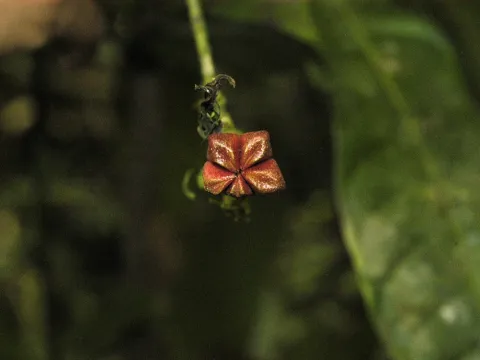
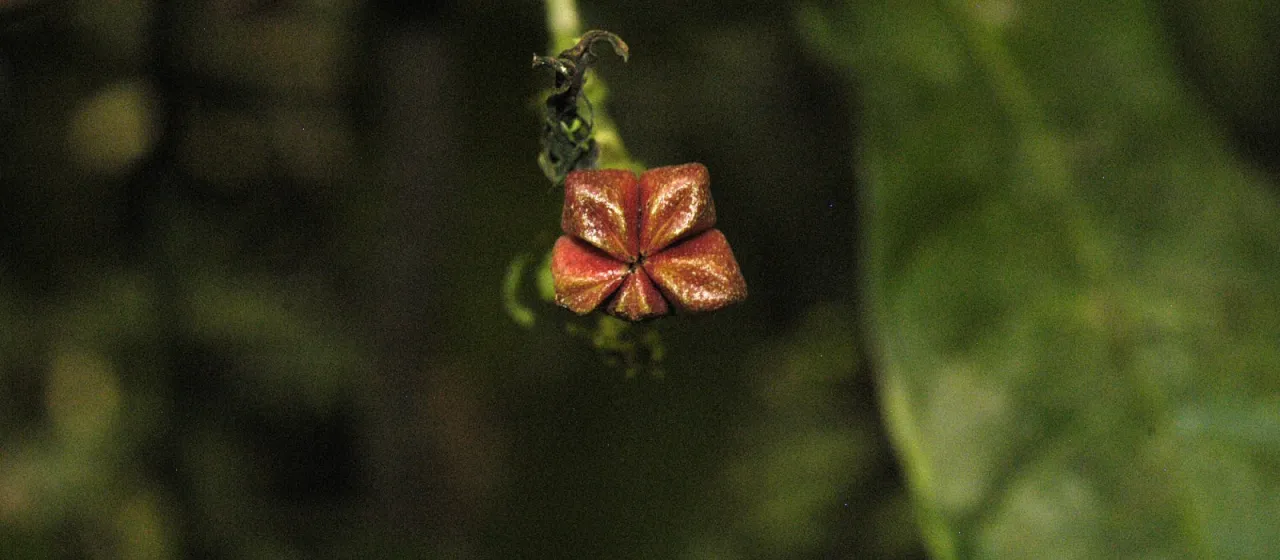
Erythrochiton brasiliensis is a distinctive plant species belonging to the Rutaceae family. In its native habitat, it grows as a small evergreen shrub or a dwarf tree, admired for its unique foliage and specialized floral structure. While not cultivated for large-scale agricultural production, it serves as a significant specimen in botanical collections and high-end horticulture.
Originating from the tropical forests of Brazil, the plant is adapted to high humidity and stable temperatures. It thrives in regions that mimic its natural habitat, making it a popular choice for conservatory settings and specialized greenhouses in temperate climates where precise environmental control is possible.
Botanically, the plant features leathery leaves containing essential oil glands, a common trait among Rutaceae. The flowers are the most notable part of the plant, often displaying striking colors and a structural arrangement that is distinct to the genus. It prefers dappled light and protection from harsh, direct afternoon sunlight to maintain its physiological health.
Cultivation requirements involve a well-draining, nutrient-rich potting mix with a slightly acidic to neutral pH level. Over-watering is the most common cause of failure in this species, as the roots are highly sensitive to waterlogging. Providing a consistent watering schedule while ensuring the soil has sufficient drainage is crucial for plant longevity.
Proper agronomic management for Erythrochiton brasiliensis includes:
- Maintaining a consistent temperature range between 18°C and 25°C.
- Applying balanced liquid fertilizers during the active growing season.
- Monitoring for common greenhouse pests like scale insects or spider mites.
- Ensuring adequate air circulation to prevent fungal pathogens on the foliage.
Photo gallery