Description
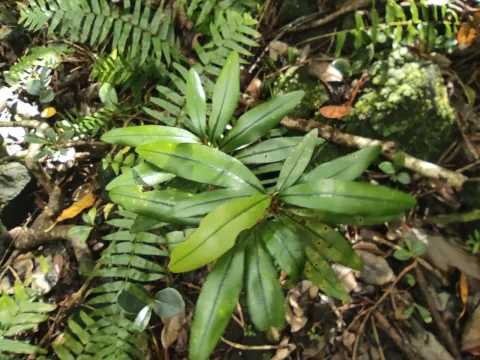
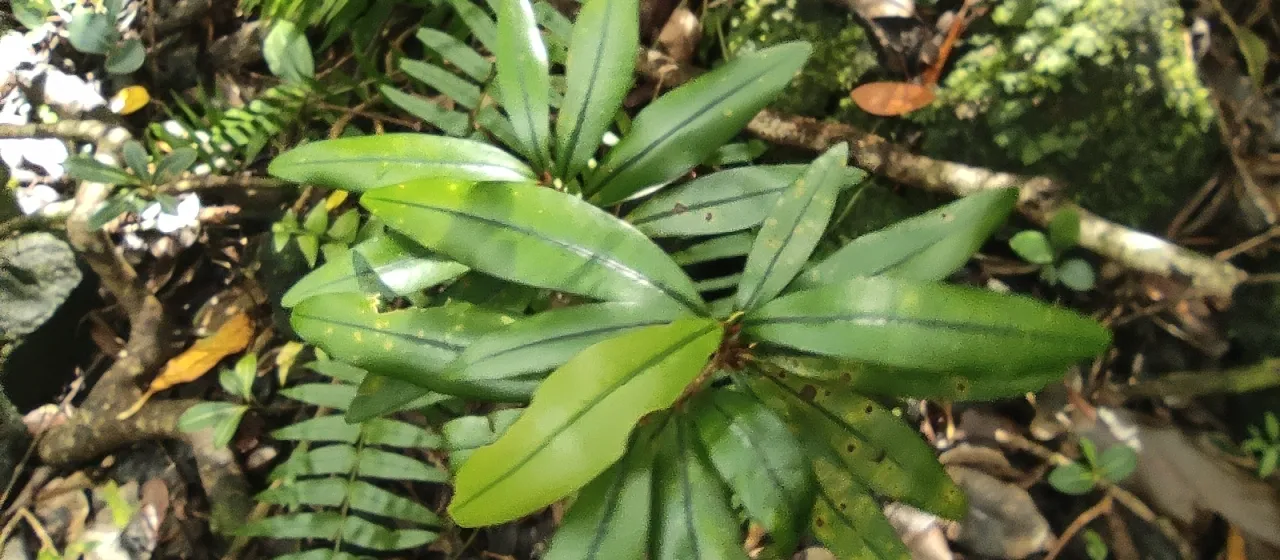
Erythroxylum laurifolium is an evergreen shrub species that belongs to the Erythroxylaceae family. Known for its distinct foliage that resembles bay leaves, this plant is a notable member of its genus. From an agronomic perspective, it is a specialized crop that requires precise environmental conditions to thrive, often categorized as a rare botanical asset.
The plant is native to the tropical regions of South America, primarily within the Brazilian rainforest ecosystems. It thrives in areas with high humidity and consistent precipitation, which are essential for its natural development. In agricultural practice, it is primarily cultivated in controlled environments such as greenhouses or specialized nurseries that mimic tropical habitats.
Botanically, the plant features a woody structure with a smooth bark and elliptical leaves that provide a distinct aesthetic. The flowers are small, typically appearing in clusters, and are followed by small, red drupes. The root system is relatively robust but sensitive to soil compaction, requiring well-aerated substrates to maintain healthy nutrient uptake and water absorption.
Cultivation requirements are strict and revolve around maintaining high-temperature levels, ideally between 20°C and 30°C. The soil should be slightly acidic, well-drained, and rich in organic matter. Proper agrotechnical management includes consistent irrigation to prevent soil dehydration, while simultaneously avoiding waterlogging, which could cause significant damage to the roots.
Regarding хозяйственное usage, the species is cultivated for ornamental purposes and scientific research regarding plant diversity. Common pests include aphids and mites, which can be managed through integrated pest management strategies. Maintaining optimal ventilation and avoiding extreme temperature fluctuations are the most effective ways to ensure the plant's long-term health and productivity.
Photo gallery