Description
Erythroxylum monogynum is a woody perennial plant belonging to the Erythroxylaceae family. Known for its resilience, this species typically grows as a small, evergreen tree or shrub and occupies a unique niche in the ecosystems of South Asia, serving as an important part of the regional biodiversity.
The native distribution of this plant primarily centers on the dry evergreen forests of India and Sri Lanka. It has evolved to thrive in environments where seasonal drought is a dominant factor, showing remarkable plasticity in its metabolic processes to conserve water and maintain vegetative functions during harsh months.
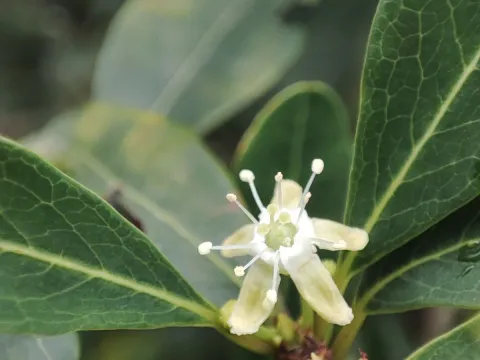
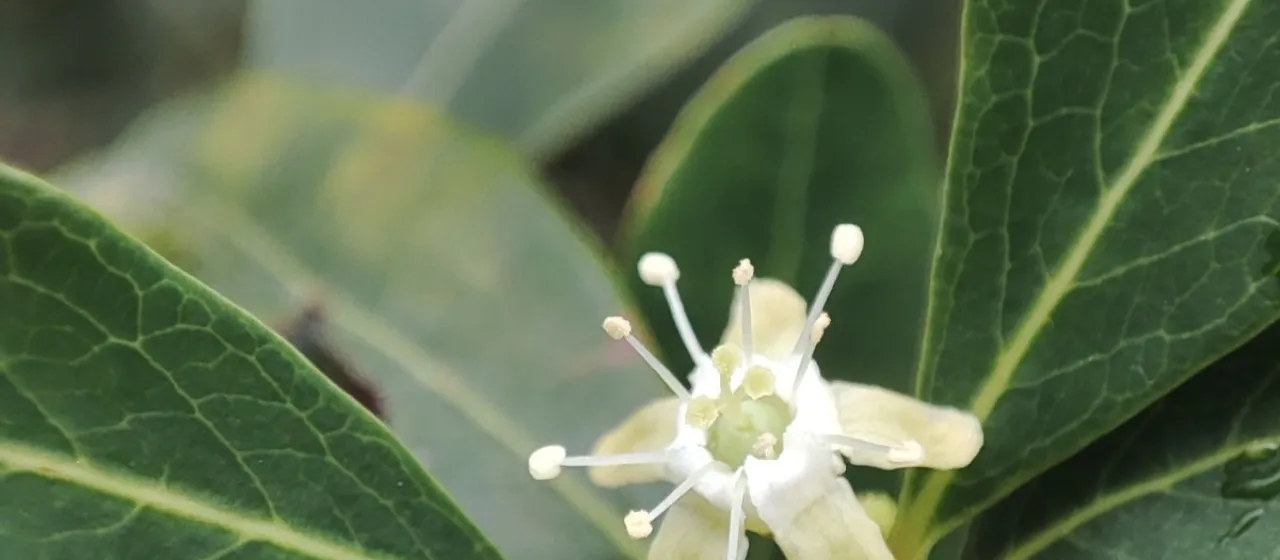
Botanically, the plant is characterized by its stiff, leathery leaves and small, fragrant white flowers that blossom during specific periods of the year. The fruit is a small, bright red drupe, which is a vital food source for local fauna, playing a key role in the dispersal and regeneration of the species in natural habitats.
Successful agricultural management of Erythroxylum monogynum requires strict adherence to soil moisture regulations. The plant performs best in sandy or gravelly loam soils with excellent drainage. In nursery or orchard conditions, growers must prioritize irrigation efficiency to avoid root rot, which is the primary threat to young specimens.
Economic applications are diverse, ranging from traditional medicine, where various extracts are utilized for their therapeutic properties, to the utilization of its dense timber for small-scale woodcraft. The plant is also studied for its potential in agroforestry projects aimed at restoring dry forest ecosystems due to its low water footprint.
- Excellent adaptation to arid climates.
- Low requirement for heavy fertilizers.
- Hardy structure resistant to common garden pests.
- Valuable source of non-timber forest products.
Photo gallery