Description
Erythroxylum novogranatense is a perennial evergreen shrub belonging to the Erythroxylaceae family. It is distinct from its relative, the classic coca plant, due to its specific morphological characteristics and wider ecological tolerance. Originally native to South America, particularly Colombia, this species has been historically cultivated across various regions due to its resilience and adaptability to different environmental conditions.
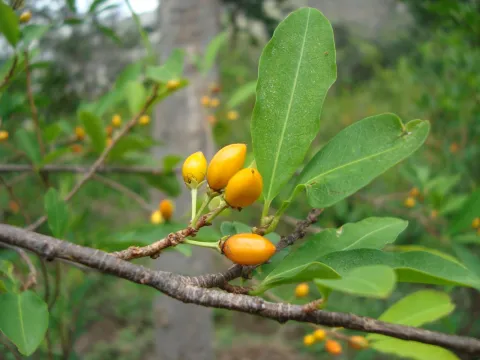
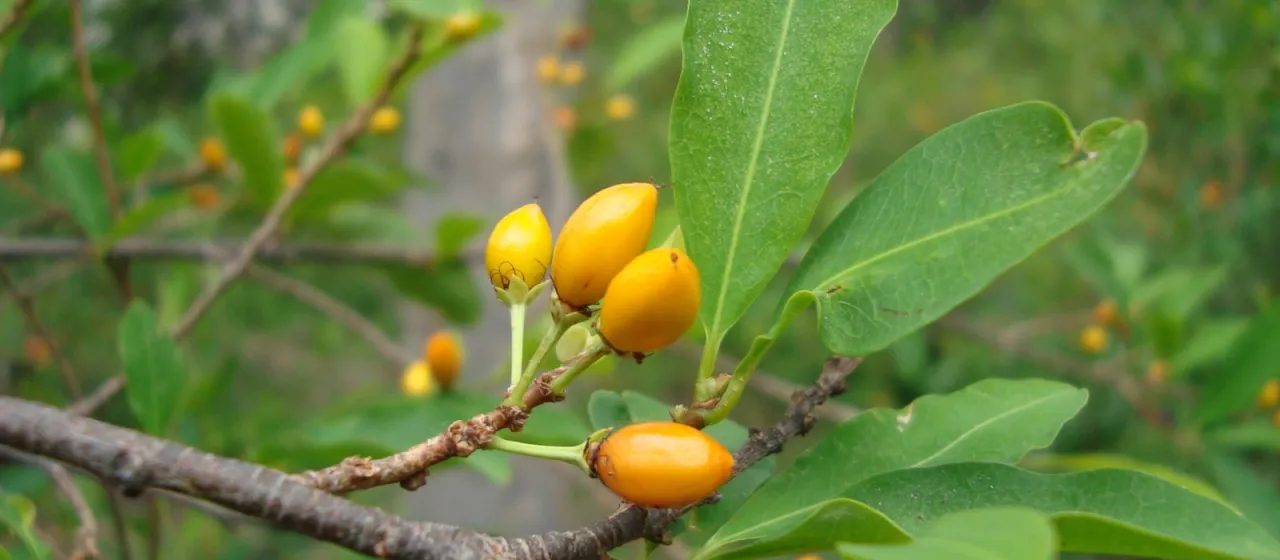
Botanically, the plant is a woody shrub that can reach heights of 2 to 3 meters. Its leaves are elliptical, smooth, and have a distinctive glossy surface. The flowers are small, cream or yellowish-white, appearing in clusters. The fruit consists of small, bright red drupes that contain a single seed, which is the primary mode of reproduction for the plant in its natural habitat.
The cultivation of this crop requires a tropical climate with high humidity and consistent warm temperatures. It thrives in well-drained, acidic to neutral soils rich in organic matter. In commercial production, spacing is essential to ensure adequate airflow, which prevents the development of fungal pathogens. Shade management is also crucial during the seedling stage to protect the plants from excessive ultraviolet radiation.
Agricultural use centers on the harvesting of leaves, which are rich in secondary metabolites. The leaves are typically harvested several times throughout the year. After harvesting, they are dried under controlled conditions to maintain their chemical integrity. The plant’s rapid growth rate allows for multiple harvest cycles, making it a productive agricultural species under favorable management conditions.
Pests and diseases are significant factors in the management of this crop:
- Spider mites that feed on the sap of young leaves.
- Fungal root rot caused by poor soil drainage.
- Leaf-rolling insects that can compromise leaf quality.
Effective management requires a combination of cultural practices and targeted interventions. Regular pruning is necessary to maintain the plant's vigor and facilitate easier harvesting. Integrated pest management (IPM) strategies, including the use of biological control agents and monitoring for early infestation symptoms, are essential to maintaining healthy yields and preventing the widespread loss of plant tissue.
Photo gallery