Description
Eschenbachia stricta is an herbaceous annual plant belonging to the Asteraceae family. While often categorized as a wild or ruderal species, understanding its biology is essential for integrated weed management and broader botanical studies within agricultural ecosystems.
The plant originates from tropical and subtropical regions of Asia and Africa. Its natural range has expanded over time, and it is now found in various disturbed habitats, including abandoned agricultural fields, roadsides, and open meadows, where it thrives alongside other opportunistic pioneer species.
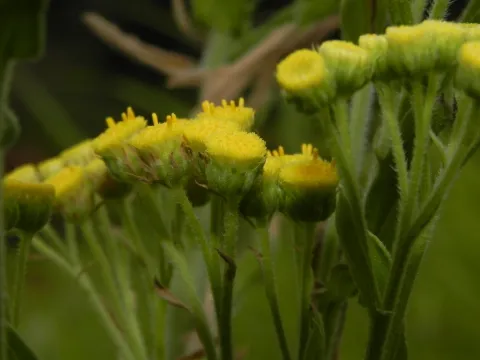
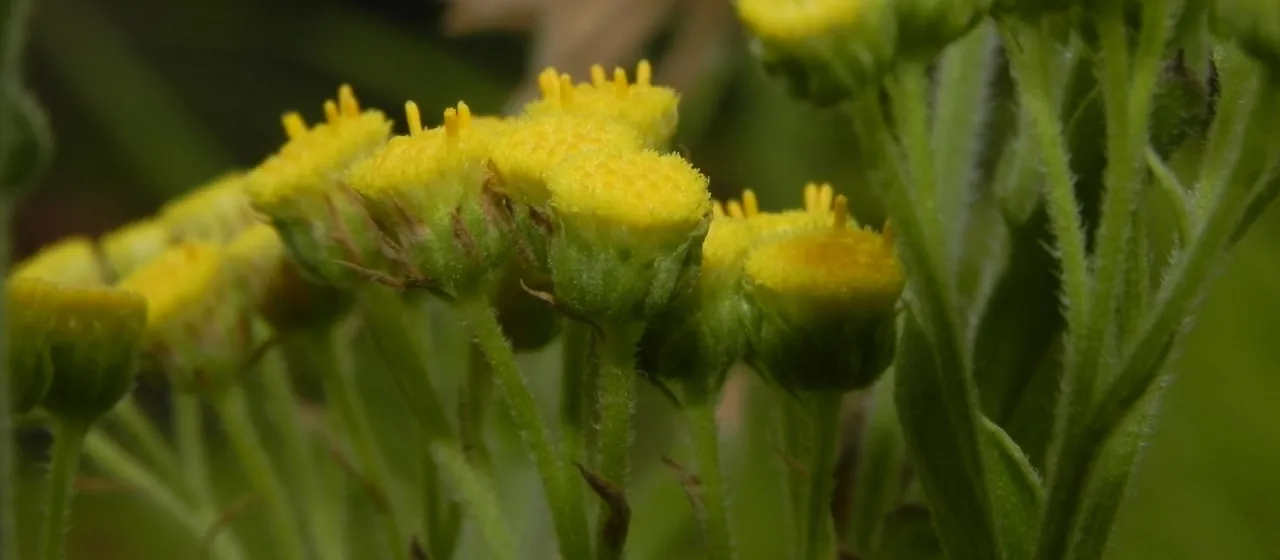
Botanically, Eschenbachia stricta is characterized by an erect, often branched stem reaching heights of up to 80 cm. The leaves are typically lanceolate and covered in fine hairs, which help the plant retain moisture. The inflorescence consists of small, numerous flower heads organized in loose, paniculate clusters at the terminal ends of the branches.
Regarding cultivation requirements, the species favors high light intensity and well-drained soil types. It is highly adaptable and does not require intensive fertilization, making it a competitive weed in poorly managed field conditions. Agricultural control measures focus on preventing seed set, which is the primary method of propagation for this species.
The economic significance of Eschenbachia stricta is primarily linked to its impact as a weed in cropping systems. Although it is not a major cultivated crop, researchers investigate its biochemical properties for potential medicinal use. Effective management requires constant monitoring of field borders to prevent its encroachment into cultivated areas.
- High seed production ensures rapid colonization of new areas.
- Wind-dispersed seeds allow for long-distance migration.
- Tolerance to diverse soil nutrient profiles supports its survival.
Photo gallery