Description
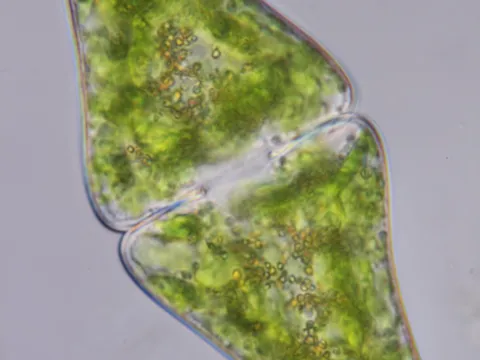
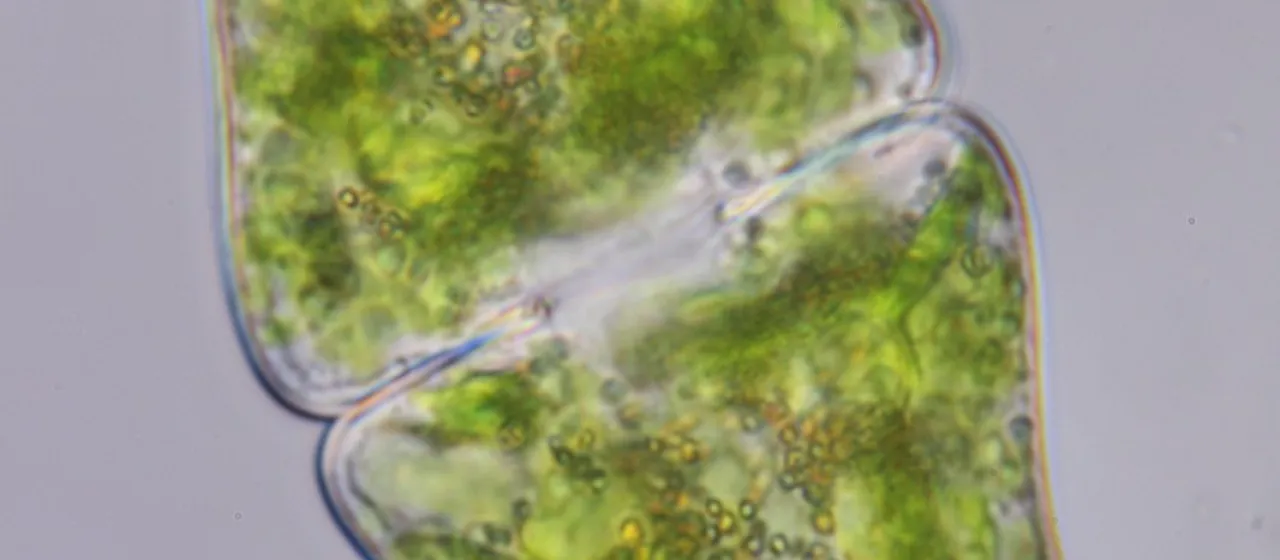
Euastrum ansatum is a single-celled freshwater green alga belonging to the family Desmidiaceae. While it is not a commercial agricultural crop, it holds a significant position in limnology and hydrobiology, acting as a fundamental component of the primary food chain in numerous freshwater ecosystems.
This organism is widely distributed across the globe, predominantly found in soft, acidic, and nutrient-poor waters. It thrives in bog pools, peatlands, and clean ponds, where it plays a vital role in oxygenating the water and supporting aquatic microbial life.
The morphology of Euastrum ansatum is distinct, featuring a cell divided into two semi-cells joined by a narrow isthmus. The cell wall is characteristically ornamented with various pits and projections, which are key taxonomic markers. Inside, two large chloroplasts with pyrenoids facilitate highly efficient photosynthesis, allowing the cell to thrive in low-light environments.
In terms of agricultural and environmental management, the presence of these algae is often used as a bioindicator for water quality. Since desmids are sensitive to rapid shifts in water chemistry, their population dynamics provide insights into the health of water sources used for irrigation or livestock watering.
While not affected by typical crop pests, these algae face challenges from environmental pollutants. The health and proliferation of Euastrum ansatum are governed by specific conditions:
- pH levels of the water (prefers slightly acidic environments);
- dissolved nutrient content (sensitive to nitrate and phosphate pollution);
- water clarity and light penetration;
- presence of biological predators like chytrid fungi and rotifers.
Photo gallery